
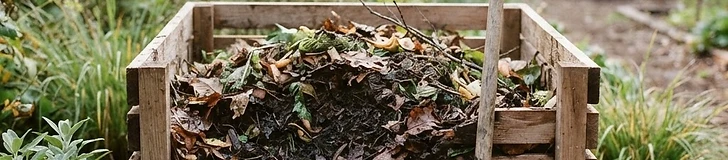
Composting is nature’s way of recycling, turning organic waste into valuable humus that improves your garden's soil structure and nutrient retention. By creating a dedicated space for your scraps, you can reduce waste while generating free fertilizer for your backyard plants. This guide will walk you through setting up your first successful pile.
Choose Your Spot
Select a level, well-drained area of your yard that receives partial shade. Keeping your bin or pile directly on bare soil allows beneficial worms and microbes to migrate into the organic matter. Avoid placing it against wooden fences or structures, as the constant moisture can cause rot. A three-foot by three-foot footprint is the ideal starting size for keeping the pile warm enough to break down efficiently.
Understanding Greens and Browns
Your compost needs a balance of two main components to thrive. Greens provide the nitrogen necessary for microbial activity, while Browns provide carbon for structure. Aim for a ratio of roughly one part green to three parts brown by volume.
- Greens: Kitchen scraps like vegetable peels, coffee grounds, and fresh grass clippings.
- Browns: Dried leaves, straw, shredded cardboard, and untreated wood chips.
Pro tip: Always keep a bin of dry leaves or shredded cardboard next to your pile; sprinkle a handful over every addition of kitchen scraps to prevent odors and keep the pile balanced.
Building and Maintenance
Start your pile with a thick base layer of twigs for airflow. Layer your greens and browns, then moisten the pile with a garden hose until it feels like a wrung-out sponge. To speed up the process, turn the pile every few weeks with a pitchfork to introduce oxygen, which encourages the aerobic bacteria that create heat. In warmer climates or during the heat of summer, temperatures inside an active pile can reach 130°F to 160°F, killing off most weed seeds.
Troubleshooting Success
If your pile is too dry, it won't break down; if it's too wet or slimy, it lacks air. If you notice an unpleasant odor, add more brown material and turn the pile to increase aeration. Within three to six months, you will have dark, crumbly, earthy-smelling compost ready to feed your garden beds.
Consistency is the secret to a great pile, so start small and focus on building layers throughout the growing season.