
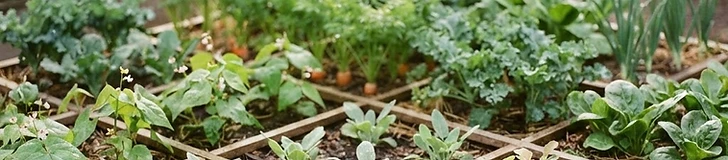
Unlock the true potential of your garden by utilizing relay planting, a method where you immediately follow a harvested crop with a new seedling or seeds in the same square. This keeps your square-foot bed working hard from the final spring frost until the first autumn freeze.
The Logic of Replanting
To keep your grid productive, think of your squares as rotating real estate. When a quick-maturing crop like Raphanus sativus (radish) reaches harvest after 25 days, that square becomes prime territory for a summer heat-lover like Capsicum annuum (pepper).
- Clear the debris from the old crop roots.
- Add a small handful of compost to refresh the soil nutrients.
- Plant your new seeds or starts at the appropriate depth.
Timing Your Transitions
Success depends on understanding seasonal windows. In USDA zones 6-8, you can often start cool-season crops like Lactuca sativa (lettuce) in early spring, move to warm-season Solanum lycopersicum (tomato) by late May, and finish with a fall harvest of Spinacia oleracea (spinach).
- Early Spring: Cool-weather greens.
- Late Spring: Warm-weather staples.
- Late Summer: A second round of cool-weather crops.
Always keep a few extra seedlings in nursery pots nearby; this ensures you never have a 'gap' in your grid when a square opens up unexpectedly.
Managing Soil Exhaustion
Continuous planting requires soil replenishment. Because high-density beds provide high yields, they also consume nutrients rapidly. By adding a quarter-inch layer of finished compost between every relay, you sustain the soil structure and feed the next set of hungry roots without needing synthetic fertilizers. This simple step keeps your microbial life thriving throughout the growing season.
Matching Crop Families
Avoid planting the same family of vegetables back-to-back in the same square to prevent soil-borne pests. If you just pulled out Brassica family plants like kale, follow them with a root vegetable like carrots, which have different nutritional needs and rooting depths. Following these simple rotations ensures your garden stays healthy and continues to produce high-density yields throughout the entire year.
Start your next relay today by planting a quick-growth crop in any square that just became vacant.