

Creating a thriving ecosystem begins with understanding the rhythm of your local pollinators. By balancing continuous nectar sources with strategic nesting sites, you can turn any patch of soil into a vibrant engine for garden health that remains active from early spring through the first frost.
Design Your Bloom Calendar
A successful pollinator corridor requires overlapping bloom times. If your flowers all finish by July, your local bee populations will starve in late summer. Aim for at least three different species blooming in every season—spring, summer, and autumn—to ensure a constant food supply.
- Spring: Plant early bloomers like Crocus or Pulmonaria for bees emerging from winter dormancy.
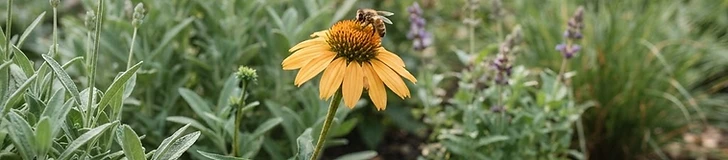
- Summer: Incorporate staples such as Echinacea or Monarda that provide high-energy nectar for butterflies.
- Autumn: Prioritize late-season nectar sources like Solidago (Goldenrod) or Symphyotrichum (Asters) to fuel migrating insects.
Optimize Garden Architecture
Beyond food, pollinators need physical structures to survive. Avoid the common mistake of 'over-cleaning' your garden. Leave at least 12 inches of hollow plant stalks standing throughout winter, as many native bees nest within these stems.
Group your plants in drifts of 3 to 5 feet of the same species to make it easier for pollinators to navigate and identify high-quality nectar sources without wasting energy.
Minimize Environmental Hazards
Chemical use is the primary disruptor of garden ecosystems. Even 'organic' pesticides can harm beneficial insects. Instead, cultivate biodiversity to manage pests naturally. By planting diverse floral shapes—from flat Zinnia discs for butterflies to deep Salvia tubes for long-tongued bees—you create a habitat that favors predators over pests.
Water and Sun Requirements
Most pollinator-friendly species demand at least 6 to 8 hours of direct sun daily. Additionally, provide a reliable water source by placing a shallow birdbath with stones emerging above the surface. This allows insects to land safely and drink without the risk of drowning in deeper water.
Focus on planting native perennials adapted to your specific USDA zone to minimize maintenance and maximize the number of local pollinators you can support each year.