
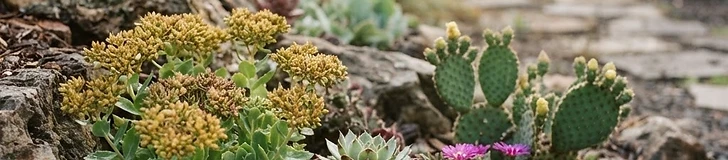
Many gardeners assume succulents are strictly indoor houseplants, but several hardy varieties can survive freezing winters outdoors. By selecting the right species, you can enjoy architectural textures and vibrant colors in your garden year-round, even after the first frost.
Selecting Hardy Varieties Choosing the right plant is the first step to success. While most echeverias struggle below 40°F, species in the Sedum and Sempervivum families are built for the cold. Look for these top performers for US gardens:
- Sempervivum tectorum (Hens and Chicks): Extremely cold-hardy, thriving in zones 4 through 9.
- Sedum spurium (Dragon's Blood Stonecrop): A low-growing groundcover that turns deep bronze in chilly autumn weather.
- Opuntia humifusa (Eastern Prickly Pear): A rare cold-hardy cactus that can survive sub-zero temperatures.
Soil and Drainage Essentials Even cold-hardy succulents will perish if their roots sit in frozen mud. To survive winter, plants must be kept dry.
- Amend your soil with at least 50% inorganic material like perlite, coarse sand, or pea gravel.
- Plant on a slope or a raised mound to encourage water to run away from the crown of the plant.
- Ensure your site receives at least 6 to 8 hours of direct sunlight during the growing season.
If you live in a region with heavy winter snow, consider planting your succulents near a rock wall or stone feature which will radiate heat and help moisture evaporate more quickly from the surrounding soil.
Winter Maintenance and Care Once established, these plants require minimal intervention. However, keep a few seasonal tips in mind to ensure they return in the spring:
- Avoid fertilizing after August to prevent soft, succulent growth that is susceptible to frost damage.
- Do not cover succulents with heavy mulch, as this traps moisture against the leaves and stems.
- If you live in an exceptionally wet climate, keep the plants in containers or raised beds that you can easily move under an awning or patio cover during the wettest months. With proper drainage and careful plant selection, your succulent garden will provide texture and intrigue through every season.