
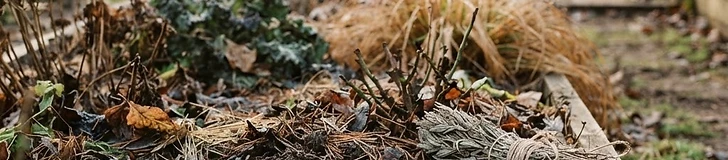
As temperatures drop and the daylight hours shorten, your garden is preparing for its quietest season. Winterizing isn't just about closing up shop; it is about setting the stage for a successful growing season next year. By taking a few strategic steps before the ground freezes, you can protect your perennial investments, enrich your soil, and save yourself hours of labor when the first signs of spring appear.
Understanding Your First Frost
The most important piece of information for any US gardener is your local first frost date. This date marks the average time when temperatures hit 32°F, signaling that tender annuals will perish and perennials will begin their dormant phase. You can check the USDA plant hardiness zone maps to find your specific region's data. Once you know your date, aim to complete your major garden chores about two weeks prior. This gives your soil a chance to settle and your winter protection measures to take hold before the true bite of winter arrives.
Clearing Debris and Managing Pests
Many gardeners are tempted to leave everything standing until spring, but there is a nuance to garden cleanup. While some hollow-stemmed perennials provide habitat for beneficial pollinators, areas where you grew tomatoes, peppers, or squash should be cleared of all plant debris. These crops are notorious for harboring fungal spores and overwintering insect eggs. Remove these plants entirely, rather than tossing them into your home compost pile, as standard piles often do not get hot enough to kill these pathogens. By removing potential disease vectors now, you drastically reduce the chance of seeing those same issues reappear in next year’s crop.
The Art of Mulching for Protection
When we mulch in the summer, we do it to hold in moisture. When we mulch for winter, we do it to manage soil temperature. Repeated freezing and thawing cycles throughout the winter can cause 'heaving,' where the soil expands and pushes plant roots up toward the surface, exposing them to lethal cold. Apply a 3- to 4-inch layer of organic mulch, such as shredded leaves, straw, or wood chips, around the base of your perennials, shrubs, and trees. This layer acts like a thermal blanket, keeping the soil temperature consistent and protecting root systems from the harsh extremes of January and February.
Preparing Your Soil for Next Year
Winter is the ideal time to amend your soil. If you have been planning to add organic matter, late autumn is the perfect window. Spread a two-inch layer of compost over your empty garden beds and leave it undisturbed. The winter snows and rains will slowly leach the nutrients into the soil profile. Earthworms and soil microbes will work this matter into the top few inches of your garden beds over the winter months, resulting in rich, friable soil that is ready for planting as soon as the frost clears.
Storing Tools and Irrigation Systems
Your garden tools are investments, and leaving them exposed to moisture is a recipe for rust and handle rot. Take an afternoon to scrub your shovels, pruners, and hoes. Remove any caked-on dirt, wipe them down with a light coating of mineral oil, and store them in a shed or garage. If you use drip irrigation or soaker hoses, these must be disconnected and drained. Even a small amount of water left inside a line can freeze, expand, and split the plastic, leaving you with a tedious repair job next spring. Drain your hoses, coil them neatly, and bring them indoors if space permits.
Protecting Sensitive Specimens
If you are gardening in USDA zones 6 or colder, certain shrubs or tender perennials may need extra help. For plants that are near the edge of their hardiness rating, you can create a temporary windbreak. Use four wooden stakes driven into the ground around the plant and wrap them with burlap. This allows for airflow while protecting the plant from the drying, biting winds that are often more damaging than the cold itself. Avoid wrapping plants in plastic, as this traps moisture and can lead to rot during unseasonably warm winter spells.
Practical tips
- Drain and store all garden hoses to prevent internal freezing and cracking.
- Mark the edges of your garden beds with tall stakes to avoid hitting them with a snow shovel later.
- Harvest all remaining root vegetables before the ground completely locks up.
- Apply a final deep watering to your trees and shrubs just before the first hard freeze, as well-hydrated plants are more resilient to winter drought.
- Clean and disinfect your garden pruners with a diluted bleach solution to prevent the spread of diseases.
- Set aside a dry, protected spot for tender potted plants like geraniums or fuchsias to overwinter indoors.
Quick takeaway
Consistent winter preparation—cleaning beds, applying a layer of mulch, and properly storing equipment—is the most effective way to guarantee a healthy, vibrant garden when spring returns.