
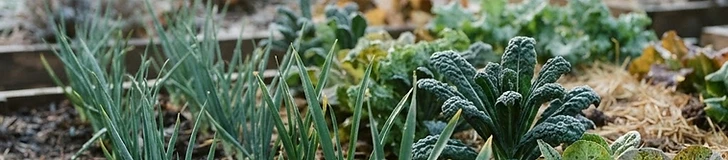
As temperatures drop, your garden transitions into a period of dormancy. Learning how to tuck in specific crops now allows them to establish roots before winter, giving you a significant head start when the soil warms in spring. In most US zones, this process is essential for success with hardy staples. ## Planting Garlic and Onions
For alliums, timing is everything. Plant your garlic cloves and onion sets about four to six weeks before your local ground freezes. This typically occurs in late October or November for zones 5-7.
- Prepare soil with a few inches of organic compost.
- Plant garlic cloves root-side down, roughly 3 inches deep and 6 inches apart.
- Cover with 4 inches of straw mulch to insulate the soil and prevent the bulbs from heaving out during freeze-thaw cycles.
Protecting Hardy Greens
Certain cool-season crops, such as Spinacia oleracea (spinach) and Valerianella locusta (mache), can survive the winter if sheltered. In zones 6 and warmer, these greens will often stay alive through light frosts.
- Use a low tunnel or hoop house covered in frost cloth to keep temperatures inside about 5-10°F warmer than the ambient air.
- Ensure the covers are well-anchored to prevent wind damage during winter storms.
- Harvest outer leaves sparingly to keep the plant alive for spring regrowth.
Pro-tip: If you live in an area with extreme winter temperatures, water your garden beds thoroughly before the ground freezes; moist soil retains heat better than dry, parched earth, protecting delicate root systems from cold damage.
Maintenance During Dormancy
Once the deep freeze arrives, your role shifts from active grower to garden observer. Dormancy does not mean neglect; keep an eye on your mulch layers to ensure they have not blown away in winter gales. If heavy snow accumulates, leave it on top of your mulch as it acts as an excellent, free thermal blanket. Avoid walking on frozen or muddy soil, as this compacts the earth and damages the structure of the soil you worked so hard to improve during the growing season. By letting your garden sleep properly now, you ensure the crops will wake up strong and ready for the first hint of spring thaw.