
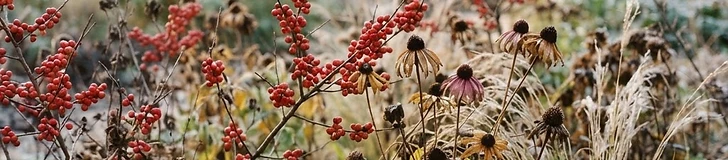
As temperatures drop and insects disappear, birds rely on your landscape for survival. By choosing the right plants, you can provide a reliable food source that keeps local wildlife healthy throughout the coldest months of the year. This guide highlights the best choices for USDA zones 3–9 to ensure your backyard stays active all winter long.
The Power of Berries Persistent fruits that cling to branches through freezing temperatures are lifesavers for songbirds. Holly (Ilex opaca) is a classic choice, producing bright red drupes that serve as a high-energy snack during snowy spells. For smaller gardens, consider planting Winterberry (Ilex verticillata), a deciduous shrub that loses its leaves to reveal dense clusters of brilliant berries. If you live in a region with heavy frost, these plants provide essential hydration and nutrients when traditional water sources are frozen solid at 32°F.
Seedheads and Structure Leaving your garden "messy" is the kindest thing you can do for birds. Dried Coneflower (Echinacea purpurea) and Black-eyed Susan (Rudbeckia hirta) heads are packed with nutritious seeds that goldfinches and chickadees love. Instead of deadheading in late autumn, leave these stalks standing at least 18 to 24 inches high.
- Leave seedheads intact to provide natural bird feeders.
- Avoid using chemical fertilizers or pesticides that may coat seeds in late summer.
- Allow leaf litter to collect around the base to provide shelter for ground-feeding birds.
For the best results, leave your perennials standing until early spring; the dried stems provide both winter food and critical insulation for overwintering native bees.