
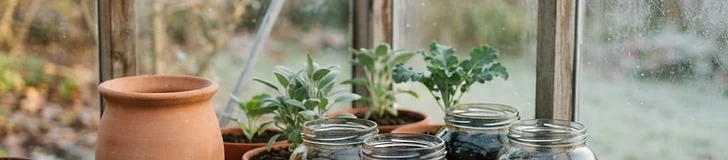
Extending your growing season into winter doesn't require a hefty utility bill. By utilizing passive solar design and smart insulation, you can keep your greenhouse above freezing even in colder USDA zones. This guide focuses on keeping your plants thriving while keeping your costs low.
Insulation Strategies
Applying thermal protection is the most effective way to retain heat. If your greenhouse uses single-pane glass or thin plastic, consider adding a layer of bubble wrap or agricultural row covers. Use specialized greenhouse-grade UV-resistant bubble wrap on the interior north-facing walls to trap heat without blocking necessary sunlight. For temporary freezes, cover sensitive plants like Spinacia oleracea (spinach) or Brassica oleracea (kale) with thick frost blankets overnight.
Thermal Mass
Use the concept of heat sinks to regulate temperature fluctuations. Dark-colored barrels filled with water act as giant batteries that absorb solar energy during the day and release heat slowly throughout the night. Place these barrels along the north wall of your structure to maximize heat retention. A 55-gallon drum of water can help raise the interior ambient temperature by 3°F to 5°F on clear, sunny days, providing a buffer against overnight dips.
For the best results, paint your water barrels matte black and place them where they will receive the most direct sunlight during the short winter days.
Strategic Sealing
Checking for air leaks is crucial before the first frost arrives. Small gaps around doors or vents can cause massive heat loss. Use weather stripping or basic duct tape to seal cracks where cold air enters. If you have an exhaust fan, ensure it is covered or insulated during the deepest part of winter to prevent drafts.
Cold-Hardy Selection
Focus on growing temperature-resilient crops. If you live in USDA zones 6 or 7, prioritize varieties that tolerate light frost. Instead of trying to force heat-loving tomatoes, rotate to cold-hardy greens that thrive in 40°F to 50°F conditions. This reduces your need for supplemental heating entirely, as these plants grow steadily in cooler environments.
By layering these passive techniques, you can maintain a productive winter garden while significantly reducing your dependence on expensive electric heat.