

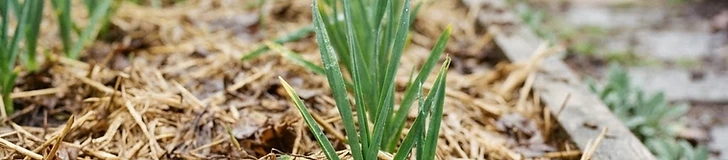
Garlic is a remarkably hardy crop, but it requires specific care during its winter dormancy and spring emergence to thrive. By mastering your mulching and hydration routine, you can prevent frost heave and ensure your bulbs grow to their maximum potential.
The Role of Winter Mulch
Applying a layer of mulch is the most important step for gardeners in USDA zones 3 through 7. Once you have planted your cloves in autumn, cover the bed with 3 to 4 inches of organic material such as straw, shredded leaves, or pine needles. This layer acts as an insulator, keeping the soil temperature stable and preventing the ground from rapidly freezing and thawing, which can push cloves out of the dirt.
Monitoring Moisture in Winter
Even though Allium sativum goes dormant, the bulbs still need slight hydration to stay alive. If you live in an area with a dry, snowless winter, check your garden beds periodically. If the ground is not frozen solid, provide a light watering if the soil feels bone-dry to the touch. Aim to keep the soil lightly moist but never waterlogged, as excess moisture in cold temperatures can lead to bulb rot.
Pro tip: If heavy winter rains saturate your soil, ensure your garlic bed has excellent drainage or consider mounding your rows slightly to prevent standing water around the bulbs.
Spring Growth and Hydration
As temperatures climb above 40°F in early spring, your garlic will begin to push green shoots through the mulch. This is the stage of active growth. You should leave the mulch in place to suppress weeds, but you may thin it slightly to help the soil warm up. During the spring months, ensure your garlic receives about 1 inch of water per week through rainfall or supplemental irrigation.
Ending the Watering Cycle
Consistent moisture is vital until the bulbs reach their final size. However, stop all irrigation about 3 to 4 weeks before your expected harvest date in late spring or early summer. Drying out the soil at this stage helps the outer layers of the garlic papery skins cure properly, ensuring better storage life after you pull them from the ground.
Consistent winter insulation combined with a steady spring water supply will set the stage for your most successful garlic harvest yet.