
Managing a garden in high humidity requires constant vigilance against pests and pathogens that flourish when temperatures stay above 70°F and moisture lingers. By understanding these pressures, you can keep your tropical landscape healthy and productive.
Identifying Fungal Pathogens
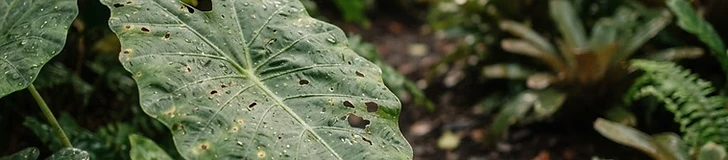
Fungal issues are the most common challenge in humid climates. Species like Botrytis and various leaf spots thrive on wet foliage. To minimize risk, always water at the base of the plant early in the morning, allowing the sun to dry any accidental splashes on leaves. If you see spots, remove infected foliage immediately to prevent spores from spreading via wind or rain.
Improving Airflow
Circulation is your best defense against disease. Densely packed gardens trap moisture, creating the perfect nursery for mold. When planting, adhere to the spacing requirements on seed packets, even if it feels sparse at first. Pruning back lower branches of shrubs or thinning out dense foliage in your vegetable beds allows breezes to penetrate, effectively drying out the microclimate around your plants.
Monitoring Common Pests
Insect pressure often spikes during wet seasons. Scale insects and mealybugs often hide in the nooks of tropical stems. Regularly inspect the undersides of leaves and leaf axils. For minor infestations, a simple spray of diluted horticultural soap or neem oil—applied in the cool of the evening to prevent leaf burn—is usually enough to keep populations in check.
Pro-tip: If you notice white, cottony masses on your hibiscus or citrus, wipe them away immediately with an alcohol-soaked cotton swab to stop an outbreak before it starts.
Enhancing Soil Drainage
Root health is critical in zones with heavy tropical rainfall. If your soil stays waterlogged, plants become stressed, making them more susceptible to pests. Amend your garden beds with organic compost or perlite to improve structure. If you are gardening in containers, ensure they have at least one inch of drainage space at the bottom to prevent water from pooling around the roots.
Choosing Resistant Varieties
Cultivar selection changes the game. When buying seeds or starters, look for tags marked with disease resistance codes. Many newer varieties are specifically bred to withstand the heavy moisture of tropical summers, saving you significant time on maintenance throughout the growing season.
Staying proactive with your sanitation and spacing will ensure your tropical garden thrives despite the humidity.