
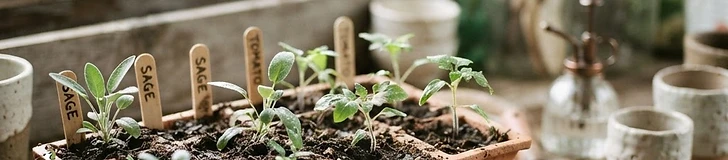
If you live in USDA zones 3 through 6, the window between the final spring frost and the first autumn chill can feel painfully brief. Starting seeds indoors is the most effective way to outsmart a short growing season and ensure your heat-loving crops reach maturity before the temperatures drop again.
Timing Your Starts
Understanding your local frost dates is the foundational step. Check your local extension office for the average date of your last spring frost. Most vegetables require 6 to 8 weeks of indoor growth before they are ready for the garden. Planting too early results in leggy, stressed seedlings, while waiting too long defeats the purpose of the head start.
Essential Equipment
You do not need a greenhouse to succeed. Gather these basic supplies to create a productive nursery:
- A bright, south-facing windowsill or a dedicated shop light fixture.
- Sterile, fine-textured seed starting mix for optimal drainage.
- Cell trays or biodegradable pots that provide at least 2 inches of depth.
- A humidity dome or simple plastic wrap to maintain moisture until germination.
Pro Tip: Always use a heat mat underneath your trays for peppers and tomatoes; these species germinate significantly faster when soil temperatures are kept between 75°F and 80°F.
Providing Sufficient Light
Lack of light is the most common reason for seedling failure. If you are using windows, ensure they provide at least 6 to 8 hours of direct, unfiltered sun. If you notice your starts leaning toward the glass or appearing thin and spindly, they are "reaching" for more energy. In this case, suspend a standard LED shop light just 3 inches above the tops of your seedlings to provide consistent, artificial sunshine.
The Hardening Off Process
Moving plants directly from a protected indoor environment to the unpredictable outdoors is a recipe for disaster. Hardening off is the critical transition phase. Over 7 to 10 days, gradually introduce your plants to outside conditions—start with an hour of shade on day one, slowly increasing exposure to wind and direct sun. This prevents transplant shock and toughens the plant cell walls against mountain winds or sudden cold snaps.
With a little patience and early preparation, you will be harvesting your own homegrown vegetables well before the first frost arrives.