

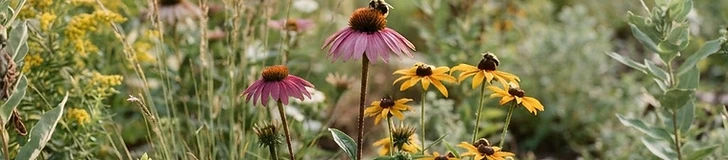
Native plants are the backbone of a healthy local environment, acting as essential bridges for pollinators and wildlife. By choosing flora adapted to your specific USDA zone and soil conditions, you create a garden that thrives with minimal chemical intervention.
The Power of Local Flora
Native plants are species that have naturally evolved within a specific region over thousands of years. Unlike exotic ornamentals, these plants have developed symbiotic relationships with local insects. For example, the Asclepias tuberosa (Butterfly Weed) is a critical food source for Monarch caterpillar larvae, whereas non-native alternatives offer no nutritional value to these specific insects.
Boosting Biodiversity
When you plant natives, you invite a complex ecosystem into your yard. A garden filled with a variety of native grasses, shrubs, and wildflowers provides:
- Continuous nectar sources throughout the growing season.
- Essential shelter from temperature extremes, such as freezing nights below 32°F.
- Natural pest control through predatory beneficial insects.
Low-Maintenance Resilience
Because native plants are already suited to your climate, they require less supplemental water once established. Most native perennials, once their roots reach 12 to 18 inches deep, can withstand significant heat and drought.
Focus on planting in "drifts" of three or more of the same species to make it easier for pollinators to spot your garden from a distance while keeping your layout organized.
Getting Started Successfully
Transitioning to a native landscape does not happen overnight. Follow these steps to ensure your success:
- Research your local USDA Hardiness Zone to select plants that thrive in your region's specific winter temperatures.
- Observe your yard's light patterns; ensure you provide the recommended 6+ hours of sun for sun-loving species like Echinacea purpurea.
- Remove invasive species first to provide space for your new native starts.
- Avoid the use of synthetic pesticides, which can harm the very pollinators you are trying to attract.
By replacing just a small portion of your lawn with native flowers and shrubs, you can create a vibrant, self-sustaining sanctuary that supports the insects and birds essential to our natural world.