
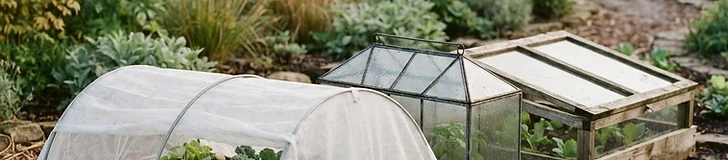
Gardening is often described as a dance with nature, but sometimes that dance turns into a battle against the elements. While a gentle spring rain is a blessing, intense storms featuring high winds, stinging hail, and torrential downpours can turn a thriving vegetable bed into a pile of broken stems and compacted soil overnight. Protecting your plants isn't just about survival; it is about ensuring that your hard work translates into a bountiful harvest rather than a composting tragedy. ## Understanding Your Microclimate Before you start building barriers, observe how weather moves through your specific landscape. Wind often accelerates around corners of your house or fences, creating wind tunnels that can snap young tomato plants. Low-lying areas are prone to pooling during heavy rain, which can drown root systems. By identifying these zones, you can place your most delicate crops in the most naturally sheltered areas, reserving the more exposed patches for sturdier perennials or decorative shrubs. ## Wind Breaks and Living Barriers A living windbreak is one of the most effective ways to manage air flow. Planting a hedge of hardy native shrubs or tall ornamental grasses on the windward side of your garden can filter the breeze, reducing its velocity without creating the turbulence that a solid wall might cause. If space is limited, consider a permeable barrier like lattice or garden netting. These materials slow the wind down rather than blocking it entirely, which prevents the 'whiplash' effect that often occurs when wind forces its way over a solid fence. ## Managing Hail and Heavy Rain Hail is arguably the most destructive weather event for a home gardener, capable of shredding tender leaves in seconds. The solution is often temporary, yet vital: physical coverage. A simple hoop house structure made of PVC or metal conduit allows you to quickly deploy frost cloth or specialized hail netting when a storm warning is issued. These covers break the impact of falling ice and heavy rain droplets. By preventing the soil from being hammered by downpours, you also protect the structure of your garden beds. Heavy, rapid rain often causes surface compaction, which creates a crust that prevents oxygen from reaching plant roots. Mulching with thick straw, wood chips, or shredded leaves acts as a secondary layer of armor, absorbing the kinetic energy of raindrops and keeping your soil loose and aerated even after a major storm. ## The Importance of Staking and Support Many gardeners wait until a plant is leaning before they provide support, but in regions prone to sudden weather shifts, proactivity is key. Install cages, stakes, or trellises at the time of planting. Secure main stems to these supports using soft plant ties that allow for a little bit of natural flexibility. A plant that is braced early develops stronger root systems and is far less likely to suffer from 'lodging'—the technical term for when a plant is pushed over and flattened by wind or rain. ## Practical tips * Install heavy-duty tomato cages early in the season to prevent plants from being whipped around by evening thunderstorms. * Keep a roll of row cover fabric and weighted clips handy for rapid deployment when hail is forecasted. * Ensure your garden beds have excellent drainage by incorporating compost to prevent waterlogging after heavy rain. * Prune back overhanging tree branches that could snap and fall onto your garden beds during a windstorm. * Use heavy mulch to prevent soil splashing, which can spread fungal spores from the dirt onto your plant leaves. * Check your garden fences and trellises for loose hardware each spring to ensure they can withstand high wind gusts. ## Quick takeaway A combination of early staking, soil mulching, and the ability to quickly deploy temporary physical covers will keep your garden resilient against even the most turbulent weather.
 Protecting Your Garden
Weatherproofing Your Patch: Shielding Beds from Wind, Hail, and Heavy Rain
3 min read 636 words
Learn how to fortify your garden against unpredictable weather patterns using simple, effective protective structures and site-management techniques.
#gardening#weather protection#soil health#plant care#backyard gardening