

Short growing seasons in USDA zones 3 through 6 often mean waiting until June to plant warm-weather crops. By proactively warming your soil, you can gain several weeks of extra growth and ensure your plants thrive even when ambient temperatures remain cool.
The Power of Black Plastic
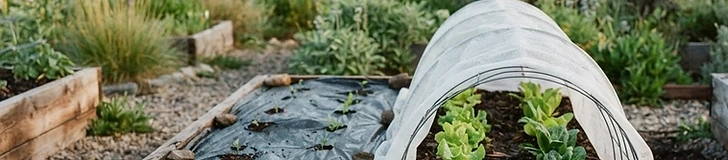
Applying black plastic mulch to your garden beds is one of the most effective ways to raise soil temperatures early in the season. Unlike clear plastic, which acts as a greenhouse, black plastic absorbs solar radiation and transfers that heat directly into the soil. Lay the plastic down two weeks before your target planting date, ensuring it is pulled tight and pinned securely at the edges. This prevents weeds from germinating and keeps the soil significantly warmer than the surrounding ground.
Utilizing Row Covers
For added protection, floating row covers provide a lightweight barrier that traps heat around the seedlings while still allowing sunlight and water to pass through. These spun-bonded fabrics can raise the temperature underneath by 4°F to 6°F. This is especially helpful for heat-loving crops like Solanum lycopersicum (tomatoes) or Capsicum annuum (peppers) during cold spring snaps.
For the best results, install your row covers over simple wire hoops to create a low tunnel; this ensures the fabric does not crush young seedlings and allows for better air circulation once the sun hits.
Benefits of Raised Beds
Transitioning to raised beds offers a structural advantage in short-season regions. Because they are elevated above the ground, these beds are exposed to air on the sides, which allows them to dry out and warm up much faster than traditional in-ground plots. To maximize this, construct beds at least 12 inches deep. The increased drainage also prevents roots from sitting in cold, waterlogged soil, which often causes stunting or rot in early spring.
Strategic Preparation Steps
- Clear away all old debris and weeds from the soil surface to ensure maximum heat absorption.
- Amend the soil with organic compost to improve structure and moisture retention before applying coverings.
- Use a soil thermometer to track progress; aim for a consistent 65°F at a depth of 4 inches before transplanting heat-sensitive starts.
Start small by testing these methods on one dedicated bed this spring to see how much sooner your garden can begin producing.