
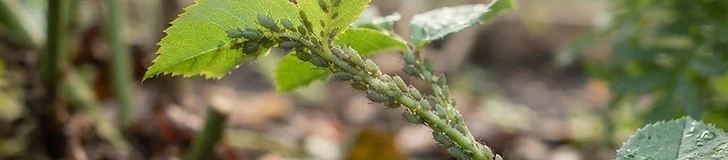
Every gardener knows the sinking feeling of walking out to the garden bed to find a once-vibrant leaf reduced to a skeleton. While losing a crop to pests is frustrating, it is a normal part of the gardening cycle across all USDA zones. The key to maintaining a healthy harvest is not total eradication, but early identification and knowing exactly who you are dealing with before taking action. By learning to read the clues left on your plants, you can intervene effectively without harming the ecosystem of your backyard. ## Decoding Leaf Damage Patterns Most garden pests leave a signature behind. If you see circular, smooth-edged holes in the middle of your foliage, you are likely looking at the work of flea beetles or certain caterpillars. Conversely, if the leaf edges are ragged and chewed, slugs or snails are the most probable culprits, as they prefer the softer tissues along the perimeter. When you notice a plant looking stunted or yellowing despite regular watering, do not immediately reach for the fertilizer. Instead, look closely at the underside of the leaves. If you see tiny, sticky residues or speckled discoloration, this often points to sucking insects like aphids or spider mites. These pests pierce the plant cells, draining the sap and leaving the foliage looking mottled or waxy. ## The Most Frequent Garden Intruders Aphids are perhaps the most common pest encountered by US home gardeners. These tiny, soft-bodied insects appear in shades of green, black, or pink and tend to cluster on new growth. They are not fast, but they are prolific. If you see leaves curling downward, check the undersides for these clusters. Another common nuisance is the cabbage looper or imported cabbageworm. If your brassicas, like broccoli or kale, show large, jagged holes, look for small green caterpillars hiding along the veins of the leaves. They blend in perfectly, so look for their dark green frass, or droppings, which act as a tell-tale sign of their presence. If you garden in warmer climates or during the height of the summer heat in zones 7 through 10, keep an eye out for spider mites. These are so small they are nearly invisible to the naked eye, but they leave behind fine, silken webbing between leaves or stems. Their presence is usually signaled by leaves that look dusty or develop tiny white or yellow stippling. ## Investigating Underground Damage Sometimes the problem is not visible above the surface. If a healthy-looking seedling suddenly topples over overnight, or if an entire row of beans fails to thrive, you may have a soil-dwelling pest. Cutworms are larvae that feed at the soil line, effectively girdling the stem of young transplants. Digging gently around the base of a damaged plant can often reveal these greyish-brown larvae curled in a C-shape. Fungus gnats, while less destructive, can be an indicator of overwatered soil. If you notice tiny, dark flies hovering around your potted plants or greenhouse trays, your soil is likely staying too wet for too long, creating an environment that larvae love. ## Practical tips * Inspect your garden at different times of the day; some pests like slugs are nocturnal and only come out when the temperature drops at night. * Use a magnifying glass to inspect the undersides of leaves if you suspect spider mites or aphids. * Keep a garden journal to track when certain pests arrive each year; this helps you anticipate their arrival the following season. * Remove plant debris at the end of the season to deny overwintering sites to beetles and larvae. * Focus on plant health by ensuring proper spacing, which improves airflow and reduces humidity, making your garden less attractive to soft-bodied pests. * If you see ladybugs or lacewings, leave them be; they are nature’s pest control and will likely take care of an aphid colony for you. ## Quick takeaway: Identification is your first line of defense; always examine the undersides of leaves and monitor soil moisture to catch pest problems before they spread.
 Pest Control
Uninvited Guests: A Beginner's Guide to Spotting Garden Pests
3 min read 672 words
Learn how to accurately identify the most common backyard pests and decode the cryptic damage signs they leave behind on your vegetables and flowers.
Watch & learn
Curated variety-trial and pest-ID videos related to this article.
#pests#gardening tips#plant health#organic gardening#beginners