
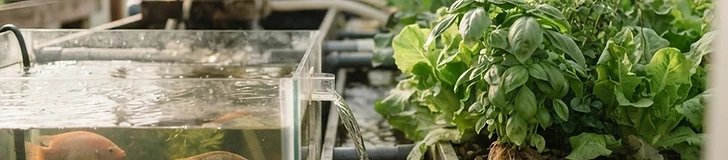
Aquaponics is often described as the perfect marriage between aquaculture and hydroponics, but for the home gardener, it is best understood as a beautifully efficient ecosystem. By harnessing the natural biological cycle of fish waste, you can cultivate vibrant vegetables without the need for synthetic fertilizers or constant weeding. In an aquaponic setup, fish provide the essential raw materials, and beneficial bacteria perform the heavy lifting of refinement, delivering a steady stream of organic nutrients directly to your plants. ## The Nitrogen Cycle in Action The secret to aquaponics lies in a microscopic workforce: nitrifying bacteria. When fish consume food, they excrete ammonia as a waste product. If left to accumulate in a closed system, this ammonia would be toxic to the fish. However, in a healthy aquaponic environment, specific colonies of bacteria move into the growing medium. These bacteria break down the ammonia, converting it first into nitrites and subsequently into nitrates. Nitrates are the primary form of nitrogen that plants crave to produce lush, green foliage. As the water circulates from the fish tank into the plant grow beds, the plants act as a living bio-filter. They absorb these nitrates, effectively cleaning the water before it flows back down to the fish. It is a closed-loop system where everyone benefits. ## Why Fish Waste is Superior Plant Food Many gardeners rely on traditional compost, but fish-derived nutrients offer a unique advantage. The waste is highly bioavailable, meaning the plants do not have to wait for soil microorganisms to break down complex organic matter. Because the nutrients are dissolved directly in the water, they are delivered straight to the root zone. Furthermore, fish waste contains a diverse spectrum of micronutrients including potassium, phosphorus, calcium, and magnesium. Unlike chemical fertilizers that often spike nitrogen levels at the expense of root development or fruiting, aquaponics provides a balanced, steady-state nutrient profile that encourages robust plant health throughout the entire growing season. ## Choosing Your Fish for Nutrient Density Not all fish are equal when it comes to the aquaponic garden. For US home gardeners, Tilapia are the gold standard because they are incredibly hardy and tolerate wide fluctuations in temperature and water quality. If you live in cooler USDA zones where greenhouse heating is limited, consider using Goldfish or Koi. While they do not provide a food source for the gardener, they are champions of waste production and can survive lower temperatures than tropical species. The key is to match the fish stocking density to the surface area of your growing beds; you want enough waste to feed your greens, but not so much that the water chemistry becomes unstable. ## Balancing the Ecosystem Managing an aquaponic system is less about gardening and more about water husbandry. You must monitor your pH levels regularly. The ideal pH for most aquaponic systems is between 6.8 and 7.0. This narrow range is the 'sweet spot' where fish remain healthy, nitrifying bacteria stay active, and plants can easily uptake the nutrients they need. If the pH drops too low, which can happen over time as the nitrification process creates natural acids, you can use calcium carbonate or potassium carbonate to buffer the water. This also provides the added benefit of supplying calcium to your plants, which prevents common issues like blossom end rot in tomatoes and peppers. ## Practical tips * Stock your tank gradually to allow the bacterial colonies time to establish themselves before adding a high biomass of fish. * Use clay pebbles as a grow medium because they provide a massive surface area for beneficial bacteria to colonize. * Test your water for ammonia, nitrites, and nitrates at least twice a week during the first three months of operation. * Choose leafy greens like lettuce, kale, and basil for your first season, as they have a high tolerance for varying nutrient levels. * Avoid using any harsh soaps or chemicals near your system, as even small residues can be devastating to both fish and bacteria. * Ensure your pump is rated for the total volume of your tank so that the entire water supply is turned over at least once per hour. ## Quick takeaway Aquaponics is a sustainable cycle where fish waste is naturally converted into a highly efficient, organic plant food that sustains both your garden and your fish with minimal intervention.
 Aquaponics
Turning Fish Waste Into Garden Gold: The Magic of Aquaponics
4 min read 723 words
Discover how your backyard fish can fuel a thriving garden by converting waste into nutrient-rich fertilizer through the sustainable cycle of aquaponics.
#aquaponics#sustainable gardening#home gardening#organic fertilizer#beginner guide