
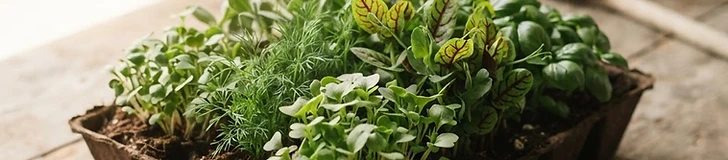
Stepping into the world of microgreens is one of the most rewarding ways to transition from a casual gardener to a year-round indoor grower. Whether you are aiming to supplement your weekly grocery bill or simply want the freshest possible nutrients on your kitchen table, microgreens are the ultimate low-barrier crop. Unlike traditional garden vegetables that require long growing seasons, deep soil, and specific USDA zone considerations, microgreens bypass most of these hurdles by growing in a controlled indoor environment. For the beginner looking for high-impact, foolproof varieties, focusing on the "Big Three"—sunflower, pea shoots, and radish—will set you up for immediate success. These varieties are not only robust enough to withstand beginner mistakes, but they also command the highest demand among local consumers and offer the most substantial harvests.
The Efficiency of Pea Shoots
Pea shoots are the workhorse of the indoor garden. They grow exceptionally fast, often ready for harvest within 10 to 12 days, and provide a crunch and sweetness that is unmatched in store-bought produce. To grow these successfully, you should use untreated, organic pea seeds. Soak your seeds in cool water for 8 to 12 hours before planting to kickstart the germination process. When planting, density is key. You want to cover the surface of your tray completely without overlapping too much. Because pea shoots are sturdy, they handle shallow soil or coconut coir very well. Keep them in the dark under a weighted lid for the first 3 days to encourage strong, straight stems, then move them to a sunny window or under a basic LED light. At 70°F, you will see rapid growth, and you can expect a harvest that outweighs your seed investment by tenfold.
Sunflower: The High-Value Powerhouse
If you are looking for the gold standard of microgreen profitability, look no further than the black oil sunflower. These greens are substantial, nutty, and highly prized for their nutritional density. Because the seeds are larger, they require a bit more attention during the soaking phase. Soaking them for 12 to 24 hours is essential to soften the thick hulls. When planting, plant them thick and cover them with a weighted tray for 4 days. The weight helps the seedlings develop strong root systems and forces them to shed their hulls as they push toward the light. Sunflower greens are incredibly forgiving; they can thrive in temperatures ranging from 65°F to 75°F. They do not require complex fertilizers, as all the energy needed for the initial 10 days of growth is packed right inside the seed. Harvesting them once they show their first set of true leaves ensures the best flavor.
Radish: The Speedy Profit Generator
For the gardener who wants near-instant gratification, radish microgreens are the answer. Varieties like Rambo or Daikon provide a sharp, spicy kick that adds a gourmet flair to salads and sandwiches. These are the fastest crops you will manage, often hitting the harvest window in as little as 7 to 8 days. Unlike peas or sunflowers, radish seeds do not require a long soak; a quick rinse is sufficient. They can be grown on a thinner layer of substrate, making them a very cost-effective crop to produce. Because they grow so quickly, they are prone to fungal issues if kept too damp. Ensure your growing tray has adequate air circulation—a small oscillating fan in your growing room can prevent the "damp-off" that kills young seedlings. The vibrant color and intense flavor of radish greens make them an easy sell if you decide to share your harvest with neighbors or local farmers' markets.
Practical Tips for Consistent Harvests
- Always purchase seeds labeled as "microgreen quality" to ensure high germination rates and freedom from harmful seed treatments.
- Use trays with drainage holes to prevent root rot, which is the most common cause of failure in indoor micro-farming.
- Maintain a consistent watering schedule; bottom watering by pouring water into the tray beneath your growing container keeps the delicate leaves dry and prevents mold.
- Rotate your trays every day if you are using natural sunlight to ensure the plants grow straight rather than stretching toward the light source.
- Harvest your greens just before you plan to eat them to maintain peak turgor pressure and nutrient content.
- Keep a growing log to track how many ounces of dry seed yield your finished harvest, which helps you refine your seed density over time.
Quick Takeaway
Start with sunflower, pea, and radish varieties to master your home setup before scaling your production into a reliable year-round source of nutritious, high-value greens.