
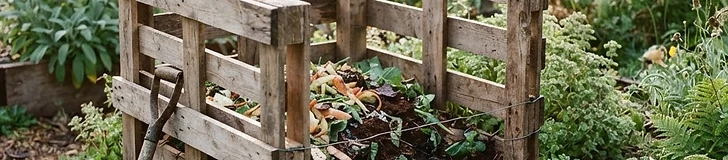
Turning wooden shipping pallets into a compost bin is a classic garden hack that saves money while providing the perfect environment for breaking down organic matter. This project creates a robust structure that allows for essential airflow, ensuring your compost piles heat up efficiently regardless of your location in the US. By following these steps, you will transform waste into a valuable resource for your vegetables and ornamentals.
Sourcing Your Pallets
First, secure four matching pallets. Look for pallets stamped with an HT mark, which stands for heat-treated, meaning the wood is safe for your garden. Avoid pallets marked with MB (methyl bromide), as these have been chemically treated and can leach toxins into your soil. Most businesses are happy to give away heat-treated pallets for free if you simply ask behind local hardware or feed stores.
Constructing the Bin
To build your bin, stand the pallets upright to create a square enclosure. Use heavy-duty zip ties or galvanized screws to join the corners.
- Place the first three pallets in a U-shape.
- Secure the corners firmly using a drill and 3-inch exterior-grade screws.
- Attach the fourth pallet as a front gate using hinges or simple wire loops, allowing you to easily open it when you need to turn the pile or harvest the finished material.
Pro Tip: If your region experiences cold winters, consider lining the inner walls with landscape fabric or thin cardboard to help insulate the pile and keep it warmer for longer, ideally maintaining an internal temperature between 130°F and 160°F.
Managing Your Compost
Now that your structure is ready, begin layering your materials. Aim for a mix of brown carbon-rich items like dried leaves or cardboard, and green nitrogen-rich scraps like grass clippings and vegetable waste. Maintain a 3:1 ratio of browns to greens to prevent odors. Ensure the pile stays as damp as a wrung-out sponge; if you live in drier USDA zones, you may need to supplement with a hose during peak summer months to keep the microbial activity thriving.
Aeration and Maintenance
Compost needs oxygen to decompose properly. Once every few weeks, use a pitchfork to turn the contents of the bin. Moving the outer material toward the center encourages consistent breakdown. If you notice your pile is sluggish in early spring, adding a shovelful of native garden soil can introduce the beneficial bacteria needed to jumpstart the process.
Your DIY compost system will provide you with high-quality organic matter to improve soil structure and fertility for seasons to come.