
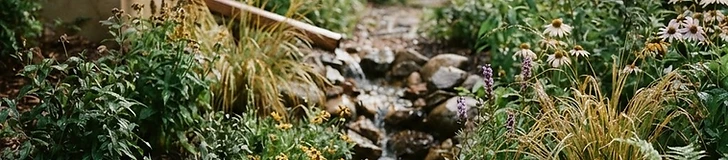
Turning a soggy, low-lying patch of your yard into a Rain Garden is the most effective way to manage runoff while boosting local biodiversity. Instead of fighting water flow, these gardens act as a natural sponge, filtering pollutants before water reaches the groundwater table.
Assessing Your Site
Before you dig, identify where water collects after a heavy downpour—typically 1 to 2 inches of rainfall. A perfect rain garden spot is at least 10 feet away from your home’s foundation to prevent leaks. Observe how your soil drains; if a puddle persists longer than 24 hours, you have heavy clay and will need to amend the area with compost to improve infiltration.
Designing the Basin
Your Basin should be a shallow depression, usually 6 to 12 inches deep. The shape can be informal, but the bottom must be level so water distributes evenly.
- Mark the perimeter with spray paint.
- Excavate the center, creating a gentle slope toward the middle.
- Pile the removed soil around the edges to form a 'berm' or raised rim, which keeps the water contained until it soaks in.
Always choose native plants over non-natives; species like 'Asclepias tuberosa' (Butterfly Weed) or 'Carex' (Sedges) have deep root systems that thrive in both wet and dry cycles and require zero supplemental watering once established.
Selecting Your Plants
Focus on plants that tolerate 'wet feet' but won't rot during dry spells. In USDA zones 4-8, consider these reliable choices:
- Moisture-loving perennials: 'Iris versicolor' (Blue Flag Iris).
- Deep-rooted grasses: 'Panicum virgatum' (Switchgrass).
- Flowering shrubs: 'Clethra alnifolia' (Summersweet).
Installing and Maintaining
Space your plants according to their mature size, usually 12 to 18 inches apart. Spread 2 to 3 inches of shredded hardwood mulch to keep weeds down while the plants fill in. During the first growing season, keep the area weeded and watered if temperatures exceed 85°F for more than a week. Once the root systems are deep, your rain garden will become a self-sustaining ecosystem that thrives on the next storm.