
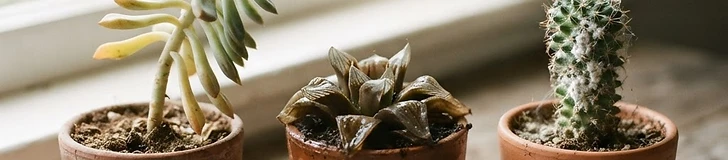
Keeping succulents happy indoors or outdoors across USDA zones 3–11 requires vigilance. While they are resilient, common issues like stretching, rot, and pests often signal a need for environmental adjustments. This guide helps you diagnose and treat these common problems to ensure your collection stays vibrant and healthy.
Etiolation: Addressing Light Deficiencies
Etiolation occurs when a succulent doesn't get enough sunlight, causing it to stretch and become leggy as it desperately reaches for a light source. You will notice significant gaps between leaves and a pale, weakened stem. To fix this, move your plant to a brighter location—ideally a south-facing window or a spot receiving at least 6 hours of direct sun daily. If natural light is limited, a full-spectrum LED grow light placed 6–8 inches above the plant can prevent further stretching.
Root Rot: The Danger of Overwatering
Root rot is the silent killer of most succulents, usually caused by poor drainage or overwatering. Signs include mushy, translucent leaves or a stem that feels soft near the soil line. Succulents thrive in well-draining soil mixed with perlite or pumice to prevent moisture from pooling. Always use a pot with drainage holes. If you suspect rot, gently remove the plant, trim away any black, slimy roots, and repot it in fresh, dry cactus mix.
Pro Tip: Never water your succulent based on a set schedule; instead, wait until the top 2 inches of soil are completely bone-dry before giving it a thorough soak.
Pest Identification and Control
Common pests like mealybugs often hide in the crevices of succulents. They look like tiny, white, fuzzy cotton balls. If you spot them:
- Isolate the plant immediately to protect others.
- Use a cotton swab dipped in 70% isopropyl alcohol to dab each bug directly.
- For larger infestations, use a gentle insecticidal soap or neem oil spray.
Keep a close eye on new arrivals for a few weeks to ensure these pests don't spread through your garden or collection. Check beneath the leaves and around the base of the stems during your routine watering sessions, especially during the humid summer months. Regular observation is the best defense against long-term damage.