
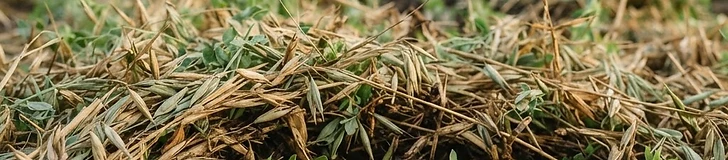
Ending your cover crop cycle correctly is just as important as planting it. Whether you are prepping for early spring greens in USDA zones 6-8 or warmer regions, managing the plant material left behind ensures your soil nutrients become available for your cash crops without attracting pests.
Timing the Termination
Successful termination involves killing your cover crop before it goes to seed. If you wait too long, especially with grains like Secale cereale (cereal rye), the stalks become too woody and tie up nitrogen. Aim to cut or pull your crops at the 'early flower' stage. For most home gardens, this is usually 2–3 weeks before you plan to transplant your seedlings into the ground.
Mechanical Methods
In a backyard setting, you do not need heavy machinery to manage biomass. You can use several simple approaches:
- Hand-pulling: Best for small raised beds or limited patches.
- Weed whacking: Use a string trimmer to chop the top growth into smaller pieces, which speeds up decomposition.
- Mowing: A standard lawnmower set to its highest setting works well for larger plots.
Pro tip: Leave the chopped biomass on the soil surface as a mulch rather than tilling it in; this protects the soil structure and suppresses weeds while the roots decompose below.
Dealing with Biomass
Once you have terminated the crop, the residue acts as a living mulch. If the material is too thick, rake some off to the side to compost separately. To plant, simply move the residue aside in small 'windows' to reach the soil surface. This layer of organic matter keeps the soil between 50°F and 65°F more consistent, shielding it from direct sunlight and heavy rain.
Nitrogen Management
When breaking down high-carbon residues like grasses, soil bacteria may temporarily 'borrow' available nitrogen. If your soil test suggests low fertility, consider adding a light layer of compost or an organic granular fertilizer when planting your cash crop. This prevents your vegetable starts from experiencing a nitrogen deficiency while the cover crop debris finishes breaking down.
Managing your garden transition phase prevents soil compaction and provides a natural boost to your vegetables as they settle into their new home.