
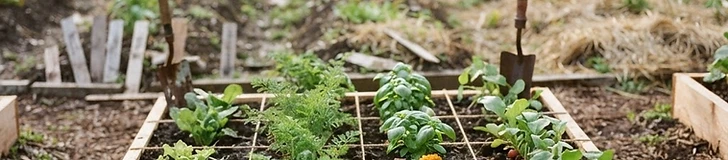
Transitioning from traditional long rows to a square-foot garden (SFG) is one of the most effective ways to increase your harvest while reducing maintenance tasks like weeding and watering. By organizing your space into manageable 12-inch grids, you create a high-density environment that maximizes every square inch of your soil.nn
Preparing the Site
To start, clear your traditional rows of any debris or weeds. Unlike row gardening, where you walk between long lines of plants, SFG relies on permanent, raised beds to prevent soil compaction.
- Clear a level area that receives at least 6–8 hours of sunlight daily.
- Construct a wooden frame, typically 4x4 feet, using cedar or untreated pine.
- Position the frame directly over your existing garden soil if drainage is good, or line it with landscape fabric to prevent weeds.
Optimizing the Soil
In traditional gardening, you might focus on amending wide strips of dirt. In SFG, soil quality is the engine of your success. Fill your frame with a nutrient-dense, loamy mixture. A common recommendation is a blend of one-third compost, one-third peat moss or coconut coir, and one-third coarse vermiculite. This mix ensures excellent drainage and moisture retention, allowing roots to grow densely without competing for nutrients.
Pro Tip: Always install a physical grid on top of your bed—using wood strips or sturdy twine—to visually define each square foot and help you maintain perfect plant spacing.
Planting Strategy
Moving away from the 'row' mindset means changing how you space your crops. Use the following guide for your 12-inch squares:
- Large plants like Solanum lycopersicum (tomatoes) get one plant per square.
- Medium plants like Capsicum annuum (peppers) get two per square.
- Small crops like Raphanus sativus (radishes) can thrive with 16 plants per square.
Maintenance Shifts
Forget the tiller and the hoe. Because your plants are grown closely together, their foliage will eventually shade the soil, significantly suppressing weed growth. Focus your effort on targeted irrigation, ideally using drip lines or soaker hoses within each grid. Keep a garden journal to note which squares performed best, as high-density planting benefits greatly from seasonal rotation to keep soil healthy across different USDA hardiness zones.nnWith your grid established and soil ready, you are set to enjoy a more productive and less labor-intensive growing season.