

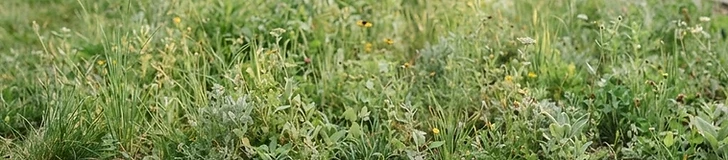
Transitioning your lawn into a meadow is one of the most impactful ways to support local biodiversity while reclaiming your weekends from constant mowing. This guide focuses on the fundamentals of site preparation, native species selection, and management for US home gardeners.
Assess and Prepare the Soil
Success starts with removing existing turf. If you have cool-season grasses, the best approach is to smother them or perform a sod cut. Avoid rototilling, as it brings dormant weed seeds to the surface. For best results, clear your site in late summer or early fall. Aim for soil that is relatively low in fertility, as many native wildflowers thrive in lean soil where aggressive non-native grasses struggle to compete.
Choose Your Seed Mix
Selecting the right native species for your USDA hardiness zone is critical. Look for a mix that includes both perennial wildflowers (forbs) and native bunchgrasses like Schizachyrium scoparium (Little Bluestem). Aim for a ratio of 60% grasses to 40% flowers to ensure the meadow stays upright and provides essential structural habitat for pollinators.
For the highest success rate, purchase seeds from a regional nursery that specializes in local ecotypes rather than a generic big-box store mix.
Seeding and Planting
In most of the US, late autumn is the ideal time to broadcast seeds, allowing for a period of cold stratification—a process where winter temperatures trigger germination. If you are starting in spring, ensure the soil temperature is consistently above 50°F. After broadcasting, gently rake the seeds into the soil surface to ensure good seed-to-soil contact; native seeds need light to germinate and should not be buried more than 1/8 inch deep.
First-Year Care
The first year is all about establishment. Native meadows focus on root growth rather than foliage during year one. Keep the area relatively weed-free by hand-pulling invasive species, and if the annual weeds grow taller than 8 to 10 inches, mow the entire patch to a height of 6 inches to allow light to reach the slow-growing perennials. With patience and minimal intervention, your meadow will transform into a self-sustaining landscape that supports birds, bees, and butterflies for years to come.