
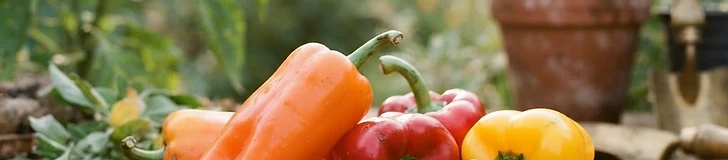
Choosing the right bell pepper variety can be the difference between a sad, stunted plant and a basket overflowing with crisp, colorful fruit. Whether you are gardening in containers or raised beds across USDA Zones 3-10, selecting disease-resistant, high-producing varieties ensures a successful harvest.
Choosing the Right Variety
When selecting your Capsicum annuum seeds or starts, prioritize varieties labeled with disease resistance, particularly against Tobacco Mosaic Virus. For beginners, look for these reliable performers:
- California Wonder: An absolute classic. This heirloom is highly productive, thick-walled, and turns from green to a deep, glossy red if left on the vine.
- King of the North: If you live in a shorter season area (Zones 3-6), this variety is a game-changer. It is specifically bred to ripen quickly even in cooler summer temperatures.
- Jupiter: Excellent for container gardeners. It grows a compact, sturdy plant that produces massive, blocky peppers that stay sweet even when fully mature.
Timing and Temperature
Peppers are heat-lovers. They thrive when soil temperatures reach at least 70°F. In most regions, you should aim to transplant seedlings outdoors two weeks after your last frost date. If you plant too early into cold soil, the plants will likely become stunted and struggle to recover.
Pro Tip: Mulch the base of your pepper plants with 2 inches of organic straw to retain soil moisture and suppress weeds, which helps maintain the consistent soil temperature these plants crave.
Planting for Success
Proper spacing is essential for air circulation, which prevents fungal diseases. Space your plants 18 to 24 inches apart in rows spaced 2-3 feet wide. If you are using containers, ensure the pot holds at least 5 gallons of soil to provide enough room for the root system to support a heavy fruit load.
Monitoring and Harvest
Most bell peppers start green. While they are edible at this stage, waiting for them to turn red, orange, or yellow significantly increases their sugar content and vitamin C levels. Use a sharp pair of snips to harvest, rather than pulling by hand, to avoid damaging the brittle branches of your plants. With consistent watering and full sun, you will be harvesting delicious, homegrown peppers until the first autumn frost.