
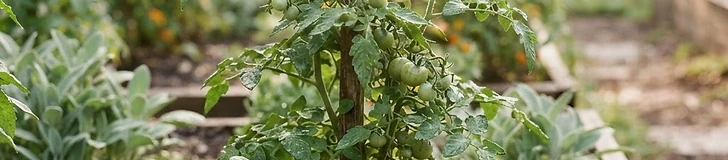
Companion planting is a natural way to boost your tomato yields while managing pests in your home garden. By strategically placing specific plants around your tomatoes, you can deter insects, improve soil health, and even enhance the flavor of your harvest. Whether you are gardening in USDA zones 3 through 10, these pairings help create a balanced ecosystem.
The Basil Connection
Planting basil (Ocimum basilicum) near your tomatoes is a classic garden strategy. Many gardeners swear that basil improves the flavor of the fruit, but it also serves as a functional companion. The strong scent of basil helps mask the tomato plant’s aroma, making it harder for pests like the tomato hornworm to locate your crop. Plant basil about 12 to 18 inches away from your tomato stems to allow for proper airflow.
Marigolds for Pest Control
Marigolds (Tagetes) are the ultimate defensive companions for your tomato patch. These bright flowers secrete a chemical called alpha-terthienyl into the soil, which can help suppress harmful root-knot nematodes that target tomato roots. Additionally, the vibrant blooms attract beneficial pollinators and predatory wasps that hunt aphids. For best results, tuck a few marigold starts into the soil around the base of your tomato cages when air temperatures consistently stay above 60°F.
Pro tip: For maximum protection against soil-borne pests, plant your marigolds early in the season so they are already established before your tomatoes begin their rapid summer growth spurt.
What to Avoid
While some plants act as protectors, others create competition or harbor diseases that can devastate your harvest. Avoid planting the following near your tomatoes:
- Brassicas: Plants like cabbage, broccoli, and kale are heavy feeders that compete for the same nutrients as tomatoes.
- Fennel: This herb is generally considered an allelopathic plant, meaning it can inhibit the growth of neighboring vegetables.
- Potatoes: As members of the same nightshade family, potatoes and tomatoes share common soil-borne diseases like early and late blight. Keeping them separated prevents the rapid spread of fungal spores across your garden beds.
By carefully planning your garden layout, you can leverage these natural relationships to grow a healthier, more productive tomato crop throughout the season.