
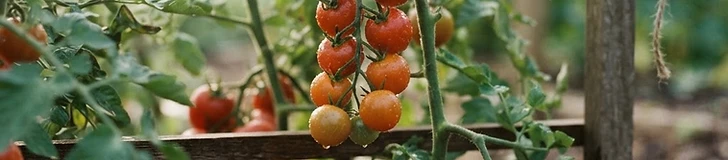
Understanding the specialized roles of cherry and paste tomatoes helps you move beyond the standard red slicer and curate a garden that delivers exactly what you need for snacking and preserving. In this guide, we will explore how to select and cultivate these varieties for maximum success in your backyard plot.
Choosing Your Cherry Varieties Cherry tomatoes are the garden's candy, offering explosive flavor and high productivity. For small spaces or containers, look for 'determinate' varieties like Tiny Tim which stay compact, reaching only 12–18 inches. If you have vertical space, 'indeterminate' types like Sungold will continue to climb and produce clusters of sweet, orange fruit until the first frost, typically in late October for zones 5–7.
The Power of Paste Tomatoes Paste tomatoes are bred for efficiency, featuring dense flesh, fewer seeds, and low moisture content. Varieties like Amish Paste or San Marzano are the industry standards for canning and sauce making. Because these fruits are often heavier and more prone to blossom end rot, consistency is your best friend. Aim for at least 1 inch of water per week to keep soil moisture steady when temperatures exceed 85°F.
For the richest sauce, always harvest your paste tomatoes when they reach their full deep-red color; the concentration of natural sugars and pectin peaks only when the fruit is fully vine-ripened.
Planting for Success To ensure a robust harvest, focus on proper soil preparation and timing.
- Wait until night temperatures consistently stay above 50°F before transplanting outside.
- Plant deep, burying up to two-thirds of the stem to encourage an extensive root system.
- Space cherry tomatoes at least 24 inches apart to promote airflow, which prevents common fungal issues.
- Use sturdy, heavy-duty cages for paste varieties, as their dense clusters can become surprisingly heavy by mid-summer.