
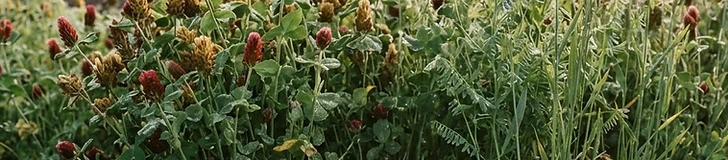
Knowing when to terminate your cover crops is just as important as choosing the right seed. Terminating too early leaves potential biomass on the table, while waiting too long can lead to unwanted seed dispersal or woody stalks that are difficult to manage. This guide explains how to time your termination perfectly to maximize soil health.
The Flowering Milestone
For most legumes like Vicia villosa (hairy vetch) and grains like Secale cereale (cereal rye), the ideal time to terminate is at flowering, specifically early bloom. At this stage, the plant has accumulated peak nitrogen and biomass. If you wait until the plant sets seed, it becomes much harder to break down and can actually steal nutrients back from the soil to support seed production, defeating the purpose of your green manure.
Mechanical Termination Methods
Once you reach the flowering stage, you need to kill the crop effectively. For the home gardener, three common methods exist:
- Crimping: Use a board or heavy roller to crush the stems. This works best on tall grains once they reach the pollen-shedding stage.
- Cutting: Use a string trimmer or scythe to cut the plants at the soil surface. Leave the debris as a mulch layer.
- Turning Under: Use a garden fork or tiller to incorporate the green matter into the top 4-6 inches of soil. Do this at least 3 weeks before planting your next crop.
Pro tip: If you use the chop-and-drop method, allow the residue to dry for 7-10 days before planting transplants directly into the mulch to prevent nitrogen tie-up.
Managing Soil Temperatures
In USDA zones 5-7, termination timing also helps regulate soil temperature. Leaving a thick mat of residue on the surface during early spring can shade the ground, keeping it cooler for longer. If you are planting heat-loving crops like tomatoes or peppers, terminate early and pull back the mulch to allow the sun to warm the soil to at least 60°F before transplanting.
Avoiding the Re-growth Trap
If you choose to mow or crimp, monitor your bed for re-growth. If your cover crop begins to sprout again, you may need to spot-weed or add a light layer of compost to suppress the stragglers. Persistence ensures your garden beds stay clean and ready for your primary vegetable season.
Always err on the side of early termination to ensure your cover crop decomposes fully before your desired planting date.