
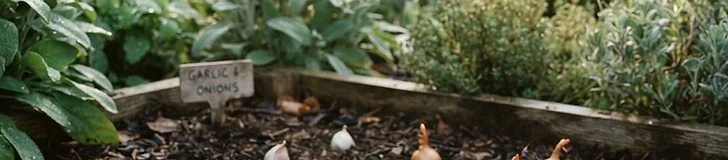
Timing is everything when growing alliums. Understanding the distinct needs of Allium sativum (garlic) and Allium cepa (onions) based on your USDA zone will help you avoid common pitfalls like premature bolting or stunted bulb development.
Fall Planting for Garlic Garlic is primarily a fall-planted crop, regardless of your zone. The goal is to allow roots to establish before the ground freezes without significant green top growth.
- In Zones 3–6: Plant cloves 4 to 6 weeks before the ground freezes, typically October to early November.
- In Zones 7–9: Aim for November or even early December. If you plant too early in warmer zones, the garlic may try to grow too much foliage before winter. Place individual cloves 3 inches deep, pointed end up, and cover with 2 to 4 inches of straw mulch.
Understanding Onion Day Lengths Onions are sensitive to daylight hours. Choosing the correct type for your latitude is critical.
- Short-Day Onions: Best for Zones 7 and higher. They begin forming bulbs when days reach 10 to 12 hours long.
- Long-Day Onions: Best for Northern regions (Zones 3–6). These require 14 to 16 hours of daylight to trigger bulb formation.
- Intermediate-Day Onions: Versatile performers for Zones 5–7 that work well in a wider range of latitudes.
If you live in a cold climate, avoid the temptation to plant long-day onion seeds outdoors too early; wait until soil temperatures consistently reach 50°F to prevent plants from bolting in response to cold snaps.