
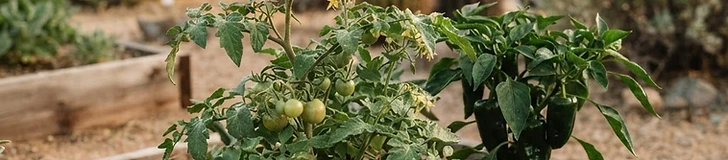
Growing vegetables in arid climates requires selecting varieties that thrive when temperatures climb above 90°F. By choosing heat-tolerant crops, you can maintain a productive garden even during the most intense summer months in zones 8 through 11. Here are the top performers for your desert garden.
Heat-Loving Tomatoes
Traditional tomatoes often stop setting fruit when night temperatures exceed 75°F. To avoid this, select determinate heat-set varieties such as Solanum lycopersicum 'Heatmaster' or 'Solar Fire'. These cultivars are specifically bred to produce fruit even in high heat. Look for varieties with thick skins, which helps prevent sunscald and moisture loss in dry, windy conditions.
Versatile Peppers
Peppers are native to warm climates, making them natural candidates for arid gardens. Hot peppers like Capsicum annuum 'Jalapeño' and 'Cayenne' excel in intense sunlight. If you prefer sweet peppers, focus on thick-walled varieties such as 'Bell Pepper' hybrids labeled as heat-tolerant. These varieties maintain their structure better than thin-walled types, which can wilt rapidly under the harsh afternoon sun.
Summer Squash Staples
- Cucurbita pepo 'Black Beauty' Zucchini: Known for its ability to produce prolifically despite heat stress.
- Cucurbita moschata 'Butternut Squash': These vining plants have leaves that naturally shade the soil, keeping the roots cooler.
Pro Tip: Always apply a 3-inch layer of organic mulch like straw or wood chips around your vegetable base to retain soil moisture and stabilize root zone temperatures during peak heat.
Legumes and Beans
When choosing beans for high-heat areas, skip cool-season English peas and opt for warm-season legumes. Vigna unguiculata, commonly known as Black-eyed peas or Southern peas, is highly drought-tolerant and thrives in sandy, alkaline soils common in desert regions. Plant these in late spring once soil temperatures reach at least 70°F for optimal germination.
Success Strategies
- Plant in blocks rather than single rows to allow foliage to create a microclimate of shade for each other.
- Use light-colored mulch to reflect harsh UV rays away from the plant stems.
- Water deeply in the early morning to ensure deep root penetration before the midday heat evaporates surface moisture.
Selecting the right genetics for your specific climate ensures that your garden remains a source of fresh food throughout the harshest summer heat.