
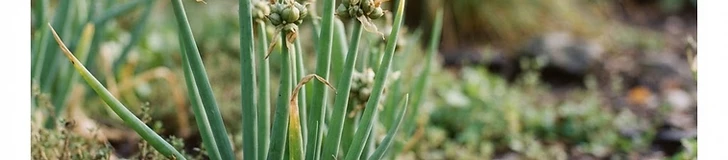
Walking onions, also known as Allium x proliferum, are a fascinating, perennial addition to any vegetable patch. Unlike standard onions that you replant every season, these hardy plants return automatically, providing you with flavorful greens and small bulbs for years without constant replanting. In this guide, you will learn how to establish and maintain these self-propagating wonders.
Understanding the Growth Cycle
The walking onion earns its name from its unique reproductive habit. Instead of flowers, the plant produces a cluster of small bulbils at the top of its stalk. As these bulbs grow heavier, the stalk bends toward the ground until the bulbils touch the soil, where they eventually root and start a new plant. This creates a literal 'walking' effect across your garden bed over several seasons.
Planting and Site Selection
These alliums are incredibly tough and thrive in USDA zones 3 through 9. They prefer full sun and well-draining, fertile soil. To get started:
- Clear a space in your garden bed free from perennial weeds.
- Plant the bulbs about 2 inches deep and 6 to 8 inches apart.
- Space rows at least 12 inches apart to allow for airflow.
- Aim for a late summer or fall planting date to give roots time to establish before a hard frost.
Maintenance Tips
If you want to control their 'walking' habit, harvest the bulbils before they become too heavy and tip over; you can use them in the kitchen or replant them precisely where you want them to grow next year.
Because they are perennial, maintenance is minimal. Keep the area around the base mulched to retain moisture and suppress weeds. During the peak of summer, the greens might yellow, but they will often flush with new growth once temperatures drop below 85°F. You can harvest the hollow, scallion-like greens year-round in milder climates, or enjoy them as a spring treat in colder regions.
Harvesting Your Crop
Harvesting is a continuous process. You can snip the green tops like chives at any stage. When the clusters of top-bulbs are mature, they will feel firm. You can snap them off to use in pickling, roasting, or for planting new sections of your garden. The underground base bulb can also be harvested, though it is usually smaller than a standard yellow onion.
Establish these reliable alliums once, and you will enjoy a permanent, low-effort supply of gourmet flavor for seasons to come.