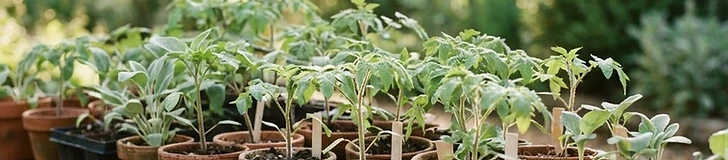
A tray of small green vegetable seedlings sitting on a wooden deck outdoors, partially shaded by a light garden cloth.Indoor & Grow-Lights

The Transition: Hardening Off Your Seedlings

2 min read 395 words

Learn how to safely transition your delicate indoor seedlings to the harsh outdoor environment without shock or stunted growth.

Transitioning your indoor-grown seedlings to the garden is a critical step that bridges the gap between your controlled grow light setup and the unpredictable outdoor world. By gradually introducing your plants to the elements, you ensure they develop the structural integrity needed to survive wind, temperature fluctuations, and direct sunlight.

Why Hardening Off Matters Indoor plants, such as Solanum lycopersicum (tomatoes) and Capsicum annuum (peppers), become accustomed to steady temperatures and artificial lighting. If you transplant them directly into the garden, they suffer from transplant shock. This can manifest as leaf scorch, stunted roots, or even death. Hardening off is a biological toughening process that builds up the plant's cuticle—a protective waxy layer on the leaves—and strengthens stems.

The Seven-Day Schedule Plan to spend one full week transitioning your seedlings before their permanent move to the soil.

  1. Day 1-2: Place seedlings in a sheltered, shaded spot protected from wind for 2-3 hours.
  2. Day 3-4: Increase exposure to 4-5 hours, introducing very early morning indirect sunlight.
  3. Day 5-6: Leave them out for 6-8 hours, gradually exposing them to dappled sunlight.
  4. Day 7: If conditions remain above 55°F at night, leave them outdoors for a full 24 hours.

Always check the soil moisture levels twice daily during the hardening process; small pots dry out much faster outside due to increased airflow and evaporation than they do under your indoor grow lights.

Monitoring the Environment Keep a close eye on your local USDA Hardiness Zone frost dates. Even if your plants are hardened off, they cannot withstand frost. If temperatures dip below 50°F at night, bring your containers back into a garage or shed until the weather stabilizes. Watch for signs of stress like wilting or drooping leaves, which indicate that the transition is moving too quickly. If a plant looks distressed, simply move it back to its protected indoor spot for an extra day of recovery before resuming the schedule.

Final Transplant Tips Once the hardening process is complete, choose an overcast, calm day for the final planting to reduce stress on the root system. Water the seedlings thoroughly immediately after putting them in the ground to help settle the soil and eliminate air pockets around the roots. With patience and these simple steps, your seedlings will be fully prepared to thrive in the garden throughout the season.

Watch & learn

Curated variety-trial and pest-ID videos related to this article.

How to Harden Off Seedlings

Open
#seedlings#transplanting#spring gardening#gardening tips

More in Indoor & Grow-Lights

We use a couple of cookies to keep you signed in and remember your settings — no tracking ads, and we never sell your data. Read our privacy policy.