
Many gardeners fall into the trap of watering on a fixed schedule, perhaps every Tuesday morning or every three days. However, nature is rarely that predictable. Weather patterns, soil types, and plant growth stages all influence how much water your garden actually needs. Learning to read the signals from your soil and your plants is the single most effective way to save water, prevent fungal disease, and encourage deep, drought-resistant root systems. By moving from a calendar-based approach to a moisture-based approach, you become a partner with your landscape rather than just a chore-doer.
The Finger Test: Your First Line of Defense
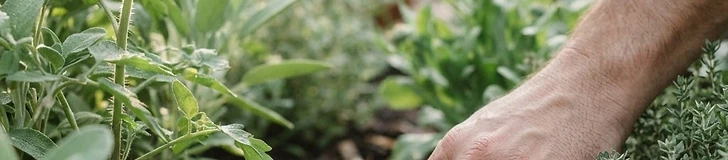
Before reaching for the hose, use the most accurate tool you already possess: your finger. For many annuals and vegetables, you want to check the top two to three inches of soil. Insert your index finger into the soil near the base of the plant—avoiding the main taproot. If the soil feels damp or cool at the knuckle level, the plant is likely hydrated enough. If the soil is dry, crumbly, or pulling away from the edges of the container or bed, it is time to irrigate. This simple physical check accounts for evaporation and recent localized rainfall that your automated sprinkler system might miss.
Reading Plant Behavior
Plants are constant communicators. The most obvious signal of thirst is wilting, but you must distinguish between heat-induced afternoon drooping and true drought stress. Many plants, such as squash and sunflowers, will wilt during the hottest part of a 90°F day as a survival mechanism to reduce transpiration, even if the soil is perfectly moist. Check these plants in the early evening. If they have recovered and are standing tall once the sun dips and temperatures drop, they were simply managing the heat. If they are still limp in the cool of the morning, they are genuinely thirsty.
Understanding Your Soil Texture
Water behaves differently in various soil types. Sandy soil is porous and drains rapidly, meaning plants in sandy environments often require more frequent, smaller waterings. Clay soil, by contrast, holds onto moisture tightly and can become waterlogged if over-irrigated. If you have heavy clay, the top inch might feel dry while the root zone remains saturated. Use a small garden trowel to dig a "test hole" six inches deep once a week. This gives you a profile of how moisture is moving through your specific soil. If you find the deep soil is consistently muddy, you are overwatering, which risks root rot and depletes oxygen.
Mulch: The Moisture Guardian
One of the best ways to simplify your watering routine is to apply a two-to-three-inch layer of organic mulch, such as straw, shredded bark, or leaf mold, around your plants. Mulch acts as a thermal blanket, slowing down evaporation and keeping the soil surface cooler. When you do water, mulch allows the liquid to penetrate slowly rather than running off the surface. If you see your mulch layer is consistently bone-dry, it is a sign that the moisture beneath is likely being depleted as well.
Practical Tips for Watering
- Always water at the base of the plant to keep foliage dry, which significantly reduces the risk of powdery mildew and leaf spot.
- Aim for early morning irrigation before the sun is high; this allows the water to soak deep into the root zone before it can evaporate.
- If you use container gardens, keep in mind they lose moisture much faster than in-ground beds and may require daily checks during peak summer.
- During extreme heat waves, keep the foliage dry during the day to avoid leaf scorch, which can happen when water droplets act like tiny magnifying glasses.
- If you are growing in USDA Zones 7 through 9, pay special attention to soil moisture during the high heat of July and August when evaporation rates can reach record highs.
- Invest in a simple analog soil moisture meter if you have deep-rooted shrubs or trees where manual digging is impractical.
Quick Takeaway
If the top three inches of soil are dry and the plant remains wilted in the cool of the morning, your garden is officially ready for a deep, slow soak.