
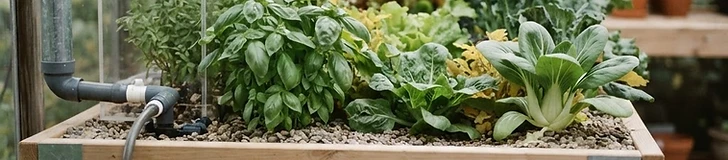
Aquaponics is a fascinating bridge between aquaculture and hydroponics, creating a closed-loop system where fish provide nutrients for plants and plants purify the water for the fish. By mimicking natural ecological cycles, you can grow leafy greens, herbs, and even some fruiting vegetables year-round, regardless of your local USDA zone. For home gardeners in the United States, this means you can extend your growing season into the winter months by keeping your system indoors or in a greenhouse environment.
The Engine of the System: Biological Filtration
At the heart of every successful aquaponics setup is the nitrogen cycle. Unlike traditional soil gardening where you add fertilizer, in aquaponics, the fish do the fertilizing. As fish eat and digest food, they produce waste rich in ammonia. In a natural environment, this would build up to toxic levels. However, in your garden, you introduce beneficial bacteria—specifically Nitrosomonas and Nitrobacter—which live in your grow media or biofilter. These hardworking microbes convert ammonia into nitrites and then into nitrates. Nitrates are essentially liquid gold for your plants, providing the nitrogen necessary for lush, green growth.
Designing Your Hardware
Your system requires three primary components: a fish tank, a grow bed, and a water pump. For beginners, a 20 to 50-gallon tank is ideal. Ensure your tank is food-grade material to avoid leaching chemicals. Your grow bed, which sits above or beside the tank, is filled with an inert medium like expanded clay pebbles or lava rock. This media serves two purposes: it provides a physical anchor for your plant roots and a massive surface area for those beneficial bacteria to colonize. A reliable water pump moves the water from the fish tank up to the grow bed, where the plants filter it before gravity returns the clean, oxygenated water back to the fish.
Choosing the Right Inhabitants
If you live in a colder climate (USDA zones 4-6) and are keeping your system indoors, goldfish are the gold standard for beginners. They are hardy, tolerate fluctuations in water quality, and provide a steady stream of nutrients. If you are in a warmer region (USDA zones 8-10) and have an outdoor greenhouse setup, tilapia are often preferred because they grow rapidly and thrive in warmer water temperatures. Regarding plants, lettuce, kale, basil, and Swiss chard are the absolute easiest crops to start with. They have moderate nutrient requirements and grow quickly, giving you instant gratification as you learn the ropes.
Water Quality and Environmental Monitoring
Monitoring your water is the most critical task in aquaponics. You should invest in a basic water testing kit to monitor pH, ammonia, nitrite, and nitrate levels. Ideally, you want to maintain a pH between 6.8 and 7.2. This range is the sweet spot where both fish and plants can thrive. Because your water is being constantly circulated and trickled through the grow media, it usually stays well-oxygenated. However, if you notice your fish gasping at the surface, you may need an additional air stone to increase dissolved oxygen levels, especially if your ambient temperatures rise above 80°F.
Practical Tips
- Always cycle your system for four to six weeks before adding fish to allow beneficial bacteria colonies to establish.
- Never overfeed your fish; only feed what they can consume in three to five minutes to keep water clean.
- Use a timer for your pump to manage water cycles, ensuring roots aren't constantly submerged, which prevents root rot.
- Position your system in a location that receives at least six hours of natural light or supplement with full-spectrum LED grow lights.
- Keep a record of your water test results in a notebook or the Dovi app to track trends over time.
Quick takeaway
Aquaponics turns the natural waste of fish into plant food, creating a self-cleaning loop that requires minimal inputs but offers high-yield, fresh produce.