
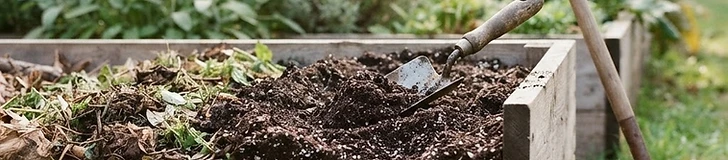
Filling a raised bed correctly is the secret to thriving plants. Instead of spending a fortune on premium potting soil, you can use a strategic layering approach to build a healthy foundation for your vegetables and flowers.
The Hugelkultur Foundation
Start by filling the bottom 6–10 inches of your bed with woody debris. This technique, known as hugelkultur, involves using logs, sticks, and dried branches. These materials break down slowly, improving soil drainage and eventually providing a reservoir of moisture and nutrients that roots will tap into as the bed matures.
Adding Organic Matter
Once your wood base is set, layer in carbon-rich materials. Grass clippings, fallen leaves, or straw fill the gaps between the wood. These materials will decompose over the season, adding organic matter that improves soil structure. Avoid using materials treated with herbicides, as these can persist and damage sensitive crops like tomatoes (Solanum lycopersicum).
The Planting Mix
For the top 8–12 inches, focus on your high-quality growing medium. A reliable DIY blend for US gardeners is the 'Mel’s Mix' style: 1/3 compost, 1/3 peat moss or coconut coir, and 1/3 coarse vermiculite. This ratio balances water retention with aeration, ensuring roots don't suffocate even after heavy rainfall.
Tip: Always moisten your growing mix as you fill the bed; dry peat moss is hydrophobic and will repel water until it is thoroughly saturated.
Managing Settlement
Expect your soil level to drop by 2–4 inches within the first few months as materials break down and air pockets collapse. Keep a small bag of compost on hand to top off the bed before planting your next seasonal crop. This ensures the soil surface remains nutrient-rich for seeds and seedlings.
Budget-Friendly Tips
- Check with local municipalities for free municipal compost programs.
- Source wood logs from storm-damaged trees in your area rather than buying lumber.
- Use cardboard as a weed barrier at the very bottom of the bed to smother existing grass without needing to till.
By layering your materials from bulky biomass to nutrient-dense soil, you create a self-sustaining ecosystem that supports vigorous growth all season long.