
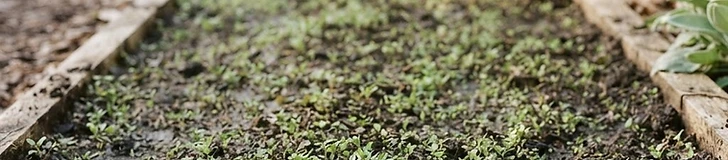
By creating a stale seedbed, you can significantly reduce the weed pressure in your vegetable patch before you even sow your first seed. This technique turns the soil's natural desire to grow weeds into an advantage, clearing the slate for your crops.
Prepare the Soil
Start by prepping your garden bed exactly as you intend to plant it. Remove existing weeds, rake the surface smooth, and ensure the soil is loose to a depth of 2 to 3 inches. Whether you are in USDA Zone 5 or 10, wait until soil temperatures consistently reach at least 50°F to 60°F, which encourages weed seeds in the surface layer to wake up.
The Germination Phase
Once your bed is prepped, simply wait. By keeping the surface lightly moist—either through gentle irrigation or natural rainfall—you encourage the weed seeds resting in the top inch of soil to germinate. Because these seeds are exposed to light and air, they will sprout rapidly within 7 to 14 days.
Extermination
Once the weeds have sprouted but before they set flowers or deep roots, it is time to act. Use a stirrup hoe or a collinear hoe to slice the weeds off just below the soil surface. This is critical: do not dig deep, or you will pull new, dormant seeds to the surface and start the cycle all over again.
Tip: Keep your hoeing shallow, targeting only the top half-inch of soil to avoid disturbing deeper, dormant weed seeds that aren't ready to sprout yet.
Planting Time
After your hoeing pass, the surface of your soil should be relatively clean. You can now sow your seeds or transplant your starts directly into the bed with minimal competition. By clearing the 'first wave' of weeds, your vegetables or flowers will have a massive head start on growth and space.
Consistent Results
This method is highly effective for fast-growing direct-sown crops like Daucus carota (carrots) or Lactuca sativa (lettuce). While it requires patience, the time you spend waiting for those first weeds to appear saves you hours of grueling hand-weeding later in the season. Enjoy a healthier garden with far less effort.