
Mulch is often viewed as a purely aesthetic choice, but for the seasoned gardener, it is the most critical tool for soil health and plant longevity. Think of mulch as a protective thermal blanket that buffers your soil against the harsh realities of the American climate, from the baking heat of a Midwest July to the deep freeze of a Maine January. By applying the right material at the right time, you create a stable, nutrient-rich sanctuary for your garden's roots to flourish. ## The Science of Soil Insulation Soil is a living ecosystem that hates extreme fluctuations. When exposed directly to the sun, soil heats up rapidly, potentially damaging delicate feeder roots and causing moisture to evaporate into thin air. Conversely, during winter, bare soil can undergo cycles of freezing and thawing that heave plants out of the ground, exposing their root systems to fatal cold. A two to three-inch layer of organic mulch acts as a natural insulator. In summer, it keeps the ground cool, allowing beneficial microbes and earthworms to continue their work of breaking down nutrients. In winter, it keeps the soil temperature consistent, preventing the damaging cycle of frost heaving. ## Choosing Your Materials for USDA Zones Depending on your location and what you are growing, your choice of mulch matters. For vegetable gardens in USDA Zones 5 through 8, straw or shredded leaves are excellent choices. They break down relatively quickly, adding organic matter back into the soil by the time you are ready to till or amend for spring planting. For perennial beds and shrubs, wood chips or bark nuggets are superior because they take longer to decompose, providing years of weed suppression and erosion control. If you live in an area with high rainfall, avoid fine-textured mulches that mat down too tightly, as they can prevent oxygen from reaching the soil. Instead, opt for a coarser wood mulch that allows for better drainage. ## Spring: Timing is Everything Many gardeners make the mistake of mulching too early in the spring. If you add a thick layer of mulch while the soil is still frozen, you trap that cold in the ground, delaying the warming necessary for seeds to germinate and perennials to break dormancy. Wait until the soil has warmed up and your perennials have poked through the surface before applying fresh layers. This timing allows the sun to reach the soil early in the season while ensuring the roots remain protected as the heat intensifies later in the year. ## Summer: Moisture Retention During the peak of summer, mulch becomes your best defense against water waste. In dry climates, a consistent layer of mulch can reduce evaporation by as much as 70 percent. This means your plants stay hydrated even during heat waves, and you spend less time dragging the hose around. When applying mulch in the summer, ensure you pull the material back from the base of the plant stems or tree trunks by about two inches. This practice, known as creating a mulch doughnut, prevents moisture from sitting against the plant stem, which can lead to rot and disease. ## Autumn and Winter: Preparing for Dormancy As temperatures drop, your mulch strategy should shift from conservation to protection. Once the ground has experienced its first hard frost—usually defined as temperatures consistently falling below 32°F—you can apply a heavier layer of mulch, roughly three to four inches deep. This thick layer is particularly important for strawberries, garlic, and newly planted perennials. For those in colder climates, such as Zones 3 and 4, this prevents the rapid temperature swings that damage root systems. Remember that if you live in a region prone to voles or mice, avoid piling mulch directly against the trunks of trees or shrubs, as this creates a perfect, sheltered runway for rodents to gnaw on the bark during the winter months. ## Practical tips - Always weed your beds thoroughly before applying mulch, as mulch will hide existing weeds and provide them with a cozy home to thrive. - Use shredded autumn leaves as a free, nutrient-rich mulch; they decompose faster than wood chips and improve soil tilth significantly. - Avoid using dyed wood chips or rubber mulch, as these do not contribute beneficial nutrients to the soil and can sometimes leach chemicals into your garden bed. - For pathways, use a heavier layer of mulch, up to four or five inches, to completely suppress stubborn weeds and mud. - Keep a small hand-held rake or a garden fork nearby to fluff your mulch occasionally, which prevents compaction and ensures proper water infiltration. - If you are using straw, ensure it is weed-free straw and not hay, which is packed with seeds that will sprout in your beds. ## Quick takeaway: Think of mulch as your garden's seasonal uniform, adjusting the thickness and material to keep roots cool in summer and insulated in winter.
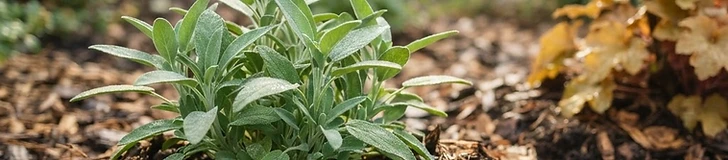 Protecting Your Garden
The Seasonal Armor: How Mulch Keeps Your Garden Thriving
4 min read 817 words
Discover how a simple layer of mulch can regulate soil temperature, suppress weeds, and conserve moisture throughout the changing US seasons.
#gardening#soil health#mulch#seasonal maintenance#beginner gardening