
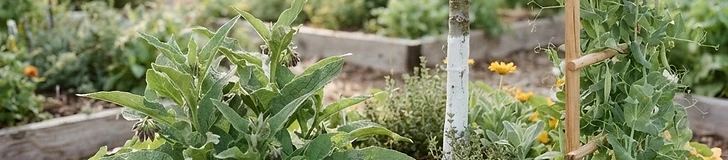
In permaculture design, efficiency is key. By practicing stacking functions, you ensure that every element in your garden—from a simple trellis to a fruit tree—serves at least three distinct purposes, reducing your workload while increasing yields. This approach turns your backyard into a self-sustaining system rather than a collection of separate chores.
Choose Multi-Tasking Plants Selecting the right species is the first step. Instead of planting a purely decorative shrub, choose a functional equivalent. For instance, Vaccinium corymbosum (highbush blueberry) provides delicious berries, beautiful fall foliage, and a structural windbreak for more delicate plants. By selecting plants that offer food, beauty, and shelter, you optimize every square foot of your growing space.
Design for Dual Utility Structural elements should also work overtime. A classic example is a vertical trellis. While its primary goal is supporting climbing vegetables like Cucurbitaceae (cucumbers), it also provides essential shade for heat-sensitive greens like spinach or lettuce during the hot afternoons of July and August in USDA zones 6-8.
Place your compost bin on the north side of a path; it hides the unsightly decay process, acts as a heat sink to warm the air near your early-season crops, and serves as a convenient staging area for potting soil.
Incorporate Livestock Strategically If your local ordinances allow, small livestock can turn waste into a resource. Chickens are the ultimate function-stackers. They provide:
- Fresh eggs for your kitchen.
- Nitrogen-rich manure for your compost pile.
- Natural pest control by scratching through soil to find larvae and beetles.