
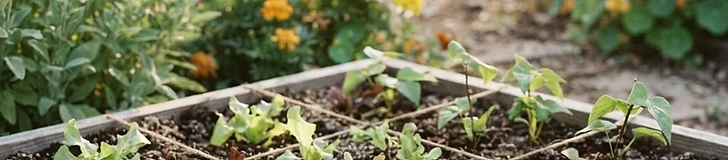
Creating a thriving garden begins beneath the surface. In square-foot gardening, your plants depend on a loose, nutrient-rich soil blend that allows for high-density growth in limited space. Whether you are in USDA Zone 5 or Zone 9, the right mix ensures drainage, aeration, and fertility for your vegetables to flourish.
The Classic Mel’s Mix Recipe
Developed by Mel Bartholomew, the original Mel’s Mix is the gold standard for raised beds. It is designed to be fluffy, moisture-retentive, and weed-free. To create it, combine equal parts of these three components by volume:
- 1/3 blended compost (use a mix of at least five different sources like mushroom, chicken, and worm castings for maximum microbial diversity).
- 1/3 coarse vermiculite (this retains moisture and keeps the soil from compacting).
- 1/3 blended peat moss (or coconut coir, which is a sustainable, eco-friendly alternative).
Affordable Alternatives for Fill
If the cost of vermiculite or high-end compost feels steep, you can swap ingredients without sacrificing your harvest. Budget-friendly substitutes can keep your setup costs low:
- Replace peat moss with coco coir if you find it on sale in bulk bricks.
- Use aged leaf mold or finished garden compost from your own backyard bins instead of purchasing premium bagged compost.
- Perlite is often cheaper than vermiculite and provides similar drainage, though it holds slightly less water.
Always moisten your mix thoroughly before planting; dry peat moss and coir are hydrophobic, meaning they will repel water until they are fully saturated.
Testing Your Soil Quality
Regardless of your chosen ingredients, your soil should feel light and crumbly. If you squeeze a handful, it should hold its shape briefly but crumble apart when touched. If your mix feels dense or clay-like, add more organic matter. Soil structure is more important than specific ratios; focus on creating a fluffy environment where roots can easily navigate the one-foot grid squares.
Managing Nutrient Needs
Because this blend is high in drainage, nutrients can leach out quickly during the growing season. Plan to top-dress each square with a handful of organic compost after every harvest. This practice keeps the soil biology active and provides the necessary fuel for Lactuca sativa or Solanum lycopersicum to grow vigorously in your confined space.
Consistent soil maintenance ensures that your square-foot garden remains a productive powerhouse year after year.