
Knowing exactly when to harvest your alliums ensures the best flavor and the longest shelf life. Whether you are growing pungent garlic or sweet onions, the plant itself provides clear signals that the growing season is coming to an end. This guide helps you identify those visual cues so you can pull your crop at the perfect time.
Observing the Foliage
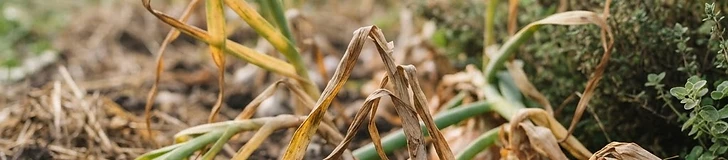
The primary indicator for both Allium sativum (garlic) and Allium cepa (onions) is the state of the leaves. As the bulbs reach maturity, the plant redirects energy from the leaves into the bulb itself. You will notice the green, upright leaves begin to yellow, dry out, and tip over. For onions, wait until about 50% to 75% of the tops have naturally fallen over. For garlic, harvest when the bottom two or three leaves have turned brown, while the upper leaves remain green.
The Importance of Timing
Harvesting too early results in small bulbs with thin, papery skins that rot quickly in storage. Harvesting too late, especially if the ground remains wet, can lead to splitting bulbs or even disease. If you live in a region with heavy summer rainfall, it is better to harvest slightly early than to leave bulbs in saturated soil.
Pro Tip: Use a garden fork to gently lift the bulbs rather than pulling them by the stem, which can damage the neck and invite storage rot.
Harvesting Steps
Once you have determined the timing is right, follow these simple steps to ensure a successful harvest:
- Choose a dry day to harvest to minimize soil moisture clinging to the bulbs.
- Gently loosen the soil around the bulbs using a digging fork at least 6 inches away to avoid accidental nicks.
- Lift the bulbs out carefully and shake off excess loose soil, but do not bang them against each other.
- Keep the foliage attached if you plan to cure them, as this helps finish the hardening process for the outer skins.
Preparation for Curing
Proper curing is essential for long-term success. Move your harvested alliums to a shaded, well-ventilated location out of direct sunlight. Allow them to dry for two to four weeks until the necks are completely constricted and the outer skins are dry and papery. Once the roots are brittle, trim them back to about an inch and your crop is ready for cool, dark storage in a mesh bag or hanging braid.