
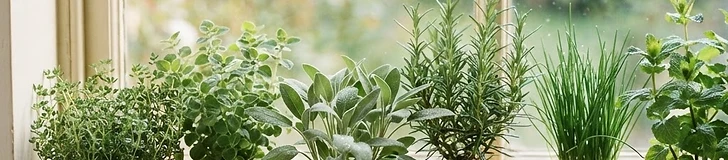
Introduction to Perennial Herbs
There is a special kind of satisfaction in walking into your garden during the first warm days of spring and seeing life re-emerging from the soil. For many gardeners, the annual ritual of buying new seedlings can become costly and time-consuming. By focusing on perennial herbs, you can establish a permanent culinary resource that requires minimal replanting while rewarding you with flavor for years to come. These plants survive the winter in their root systems, dormant and ready to burst into growth as the temperatures rise.
Choosing the Right Herbs for Your Climate
Before you plant, consider your USDA hardiness zone. Many classic Mediterranean herbs prefer well-draining, rocky soil and plenty of sun, while others might thrive in the cooler, damp conditions found in more northern climates. For gardeners in zones 5 through 9, staples like chives, thyme, and oregano are incredibly resilient. These plants act as the backbone of a garden, requiring little more than a seasonal prune to stay healthy and productive.
Chives and Alliums
Chives are perhaps the most reliable perennial in any kitchen garden. They are among the first plants to appear in early spring, offering tender green shoots that taste like mild onions. They are nearly impossible to kill and thrive in full sun with consistent moisture. Once they flower with beautiful purple globes, they provide a stunning aesthetic element. If you let the flowers go to seed, you will find new chive starts popping up throughout your garden beds, ensuring you never have to plant them again.
Thyme and Oregano
Thyme and oregano are the workhorses of the culinary garden. These low-growing, mat-forming herbs are incredibly drought-tolerant once established. Thyme, in particular, appreciates rocky soil and a spot that avoids excessive humidity. Oregano is so vigorous that it is often best contained in a dedicated area or a large pot to prevent it from outcompeting more delicate plants. Both benefit from being cut back by one-third in the late summer, which encourages a final flush of growth before the first frost of autumn.
Rosemary and Sage
In warmer regions (zones 7 and above), rosemary serves as a woody, evergreen shrub that provides fragrant needles year-round. If you live in a colder zone, you can treat rosemary as a container plant, bringing it indoors when temperatures drop below 30°F. Sage, with its velvety leaves, is equally hardy and beautiful. Both plants prefer soil that does not stay soggy, as their roots are prone to rot if left in standing water. Providing excellent drainage is the key to longevity for these Mediterranean favorites.
Mint: The Exception to the Rule
Mint is a perennial that will return year after year with aggressive enthusiasm. Because it spreads through underground rhizomes, it can quickly take over a garden bed. It is best to treat mint as a perennial you plant in a container, even if you bury that container in the ground. This keeps the root system contained while still allowing the plant to benefit from the natural soil environment. Choose from various flavors like peppermint, spearmint, or chocolate mint to keep your tea and desserts interesting.
Practical tips
- Plant herbs in well-draining soil mixed with organic compost to provide necessary nutrients for long-term growth.
- Water deeply but infrequently to encourage roots to grow deep into the ground, which helps with drought resistance.
- Prune your herbs after flowering to prevent them from becoming woody and to stimulate new, tender foliage.
- Add a light layer of mulch around the base of the plants in late autumn to insulate the roots against freezing temperatures.
- Avoid over-fertilizing your perennials, as excessive nitrogen can lead to rapid, weak growth that is less flavorful.
- Harvest early in the day, just after the dew has evaporated, to ensure the essential oils are at their most potent.
Quick takeaway
Focusing on hardy perennial herbs creates a low-maintenance, high-yield garden that provides fresh flavor for years with very little extra effort.