
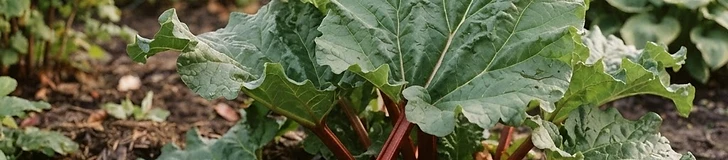
Rhubarb is one of the most rewarding perennials a gardener can grow. Once established, these hardy plants return year after year, providing tart, delicious stalks for your kitchen from late spring through early summer. This guide covers the essentials for successfully cultivating Rheum rhabarbarum in your home landscape.
Planting Your Rhubarb
Rhubarb thrives in USDA zones 3 through 8. These plants prefer cool climates and deep, moisture-retentive soil rich in organic matter. Select a location that receives full sun, though they appreciate some light afternoon shade in warmer zones. When planting:
- Space crowns 3 to 4 feet apart to ensure good airflow.
- Dig a hole about 12 inches deep and fill it with well-rotted compost.
- Position the crown so the buds are only 1 to 2 inches below the soil surface.
Long-term Care and Maintenance
Consistency is key to a long-lived patch. Apply a layer of mulch in the fall to suppress weeds and retain moisture. During the growing season, keep the soil consistently moist but never waterlogged.
Pro-tip: Always remove any flower stalks that appear during the season; these seed heads divert precious energy away from the plant’s root system and decrease future stalk production.
The Harvest Rules
Patience is required for a sustainable harvest. Avoid picking any stalks during the first year of growth to allow the roots to gain strength. In the second year, you may harvest lightly. By the third year, you can enjoy a full harvest window, usually lasting 8 to 10 weeks before the plant enters dormancy.
Dividing for More Plants
If your yield begins to decline after 5 to 7 years, your plants are likely overcrowded. Early spring, just as the buds begin to swell, is the best time to divide.
- Dig up the entire root mass carefully.
- Use a clean, sharp spade to cut the crown into sections.
- Ensure each section has at least two healthy, pinkish buds.
- Replant the sections immediately into fresh, amended soil.
By giving your rhubarb proper space and annual nourishment, you can easily maintain a productive patch that feeds your family for over 20 years.