
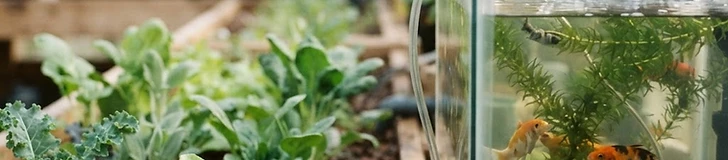
Aquaponics is a self-sustaining ecosystem that bridges the gap between aquaculture and hydroponics. By harnessing the natural biological cycle of fish waste, you can provide your plants with a consistent, organic source of nutrition without the need for synthetic fertilizers. In this system, your fish effectively become the gardeners that nourish your greens. ## The Ammonia Foundation The process begins with ammonia, which is naturally excreted by fish through their gills and waste. In a standard fish tank, ammonia buildup is toxic to aquatic life. However, in an aquaponic system, this ammonia-rich water is pumped into a grow bed filled with media like expanded clay pellets. This environment provides the perfect surface area for beneficial bacteria to thrive and begin the conversion process. ## The Role of Beneficial Bacteria Two primary types of nitrifying bacteria are essential for your system's success: Nitrosomonas and Nitrobacter. These microscopic helpers convert toxic ammonia into nitrites, and subsequently, into nitrates. This final stage is crucial because nitrates are the primary form of nitrogen that plants easily absorb through their roots to grow lush foliage and healthy stems. > Keep your water temperature between 70°F and 76°F to ensure your nitrifying bacteria remain active and your plants receive a steady stream of nutrients. ## Nutrient Delivery to Plants Once the bacteria have processed the fish waste, the water serves as a complete, liquid fertilizer. This nutrient-rich solution circulates through your grow beds where plants like Lactuca sativa (lettuce) or Ocimum basilicum (basil) thrive. By the time the water returns to the fish tank, it has been naturally filtered by the plant roots, creating a continuous loop of clean, oxygenated water for your aquatic inhabitants. ## Balancing Your Ecosystem To keep this cycle running efficiently, remember these key maintenance tips: 1. Monitor your water pH, aiming for a range between 6.8 and 7.0 for optimal nutrient availability. 2. Feed your fish high-quality, protein-dense pellets to ensure the waste produced contains the necessary nitrogen levels. 3. Avoid overstocking your tank, as too much waste can overwhelm the bacterial colony's ability to process ammonia. With the right balance of fish, bacteria, and plants, you can enjoy fresh, pesticide-free harvests year-round right in your own home.
 Aquaponics
The Nitrogen Engine: How Fish Waste Fuels Your Garden
2 min read 367 words
Discover the biological miracle of aquaponics and learn how fish waste transforms into vital fertilizer for your homegrown vegetables.
Watch & learn
Curated variety-trial and pest-ID videos related to this article.
Aquaponics Explained: How the Cycle Works
Open#aquaponics#beginner gardening#sustainable gardening#hydroponics