
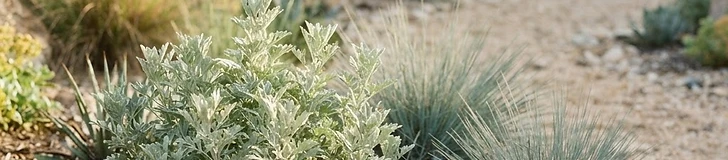
Creating a gravel garden is an excellent way to reduce water consumption while achieving a sophisticated, natural look in your landscape. This method relies on excellent drainage and low-maintenance plants to create a resilient ecosystem that thrives with minimal supplemental irrigation. In this guide, you will learn how to prepare your soil, select the right gravel, and choose plants that love the heat.
Site Preparation and Soil The secret to a successful gravel garden is drainage. Start by clearing your site of all weeds and grass. Because gravel gardens thrive in leaner conditions, you should avoid adding heavy compost or organic fertilizers, which can encourage excess foliage and rot. If you have heavy clay soil, mix in a few inches of horticultural grit or coarse sand to ensure water moves away from plant roots quickly.
Choosing Your Materials When selecting gravel, opt for angular, crushed stone rather than smooth pea gravel. Angular stone locks together, creating a more stable walking surface and preventing the stones from migrating easily. Apply a layer roughly 2 to 3 inches thick. A depth of more than 4 inches can become difficult for smaller plants to establish their roots through during the first season.
Tip: Always install your plants directly into the existing soil before spreading the gravel; do not use landscape fabric, as it prevents natural nutrient cycling and eventually causes surface drainage issues.
Selecting Drought-Tolerant Plants Focus on species that thrive in your specific USDA zone and handle dry heat well. In warmer regions, look for silver-foliaged plants, which naturally reflect heat. Ideal selections include:
- Lavandula (Lavender) for color and scent.
- Sedum varieties for hardy, succulent ground cover.
- Festuca glauca (Blue Fescue) for texture and contrast.
- Echinacea purpurea (Coneflower) for height and pollinator support.
- Mark your planting holes before adding stone.
- Dig deep enough to set the plant root ball level with the ground.
- Backfill with native soil and firm it gently.
- Spread your gravel around the base of the plant, leaving a small gap near the stem to prevent crown rot.