


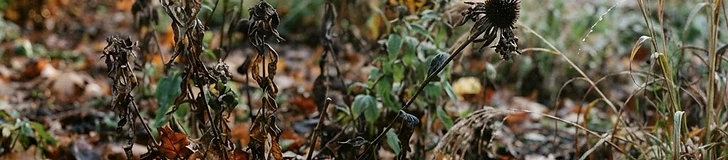
Fall cleanup is often treated as a mandatory chore, but for your local ecosystem, a messy garden is actually a healthy one. By leaving your fallen leaves and spent perennials, you provide essential habitat for the creatures that call your yard home throughout the winter months.
The Winter Nursery
Many native pollinators, including bumblebees and various moths, rely on leaf litter for survival. Queen bumblebees often burrow just a few inches into loose soil or leaf debris to hibernate until spring. If you rake or blow your leaves away, you are inadvertently removing the blankets that protect these vital insects from freezing temperatures, which can drop well below 32°F in most USDA zones.
Natural Fertilizer
Leaves are free, nutrient-rich mulch that your garden beds crave. As they break down, they provide organic matter that improves soil structure and retains moisture. Instead of sending bagged leaves to a landfill, try these techniques:
- Use a mower to shred leaves into fine pieces directly on your lawn to feed the grass.
- Rake leaves into your flower beds to create a 2-to-3-inch insulating layer around plant crowns.
- Pile excess leaves in a hidden corner to create a slow-composting sanctuary for beneficial beetles and spiders.
If your neighbors or local HOA insist on a tidy look, create a designated 'wild zone' behind a shrub border or near your back fence where leaf piles and hollow-stemmed plants can remain undisturbed.
Protecting Beneficial Insects
Don't be too quick to deadhead your perennials. Plants with hollow stems, such as Echinacea (Coneflower) or Monarda (Bee Balm), serve as winter housing for native solitary bees. Furthermore, the seed heads left on plants like Rudbeckia (Black-eyed Susan) offer a critical food source for migratory birds navigating the winter landscape.
Timing Your Cleanup
If you must tidy up, wait until late spring when daytime temperatures consistently reach above 50°F. This ensures that the insects sheltering in your debris have fully emerged and moved on to their active seasons before you begin cutting back stems or turning over your garden beds.
Embracing a 'leave the leaves' approach saves you time and labor while turning your garden into a winter fortress for local biodiversity.