

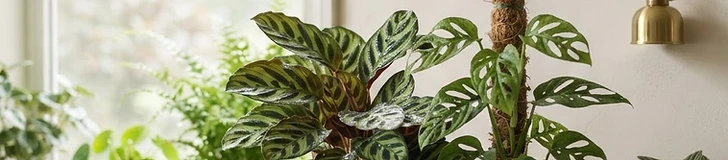
Creating a thriving indoor jungle requires more than just sunlight and water. Understanding how your home's microclimate affects plant health is the secret to moving beyond basic survival to actual growth.
The Role of Humidity
Most houseplants are native to tropical regions where humidity levels often exceed 60%. In a typical US home, especially during winter months when heaters run, indoor air often drops below 30% relative humidity. This causes brown, crispy tips on plants like Calathea or Ferns. To boost moisture, group plants together to create a localized humid microclimate, or place them on a tray filled with pebbles and water. Ensure the pot sits on the pebbles, not submerged in the water, to avoid root rot.
Ideal Temperature Ranges
Most indoor foliage plants prefer a range between 65°F and 75°F. While they can handle slight fluctuations, extreme shifts are detrimental. Avoid placing sensitive plants near heating vents, air conditioning units, or drafty entryways. If you are comfortable in a T-shirt, your plants are likely comfortable too. In colder zones, be especially mindful of windows; even a well-insulated window can feel like a deep-freeze to a tropical plant during a blizzard.
Proper Airflow
Airflow is the often-overlooked necessity for indoor plants. Still, stagnant air invites fungal issues, pests like spider mites, and moldy soil surfaces. Gentle air movement mimics the natural breeze plants experience in their native habitats, which helps strengthen stems and encourages transpiration. Use a small oscillating fan on a low setting for a few hours a day to keep air moving, especially in corners where the air feels trapped.
Pro-tip: If you notice dust accumulating on your plant leaves, wipe them down with a damp cloth; clean leaves breathe better and are much more efficient at utilizing the available light and humidity in your home.
Managing Your Environment
- Monitor conditions with a digital hygrometer to track both temperature and humidity.
- Keep a distance of at least 2 to 3 feet from direct heat sources.
- Ensure your pots have adequate drainage to prevent excess water from lingering, which can increase humidity to unhealthy levels near the roots.
By carefully tuning these invisible factors, you can recreate the ideal conditions for your plants to flourish right in your living room.