
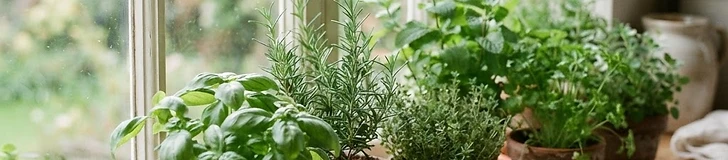
Embracing the Indoor Herb Garden
There is a specific kind of culinary magic that happens when you reach across your kitchen counter and snip fresh basil or rosemary while a snowstorm rages outside. For home gardeners across all USDA zones, the kitchen windowsill serves as a bridge between the seasons. Growing herbs indoors is not merely about survival; it is about accessibility, flavor, and the simple joy of cultivation throughout the colder months.
Choosing the Right Location
Not every window is created equal. Most culinary herbs, particularly the Mediterranean varieties like thyme, oregano, and rosemary, crave direct sunlight. Aim for a south-facing window, which provides the most consistent, intense light throughout the day. If your home lacks a prime southern exposure, an east-facing window can suffice for softer-leaved herbs like parsley or chives. If you notice your plants becoming leggy—stretching out toward the glass with large gaps between leaf nodes—they are signaling that they need more light. In such cases, a basic full-spectrum LED grow light clamped to your counter can be the difference between a struggling plant and a flourishing one.
Containers and Drainage: The Foundation
When transitioning herbs to the indoors, the most common pitfall is overwatering. Since indoor temperatures are typically stable, the soil dries out at a different rate than it would in the backyard. Always select containers with drainage holes. If you find a beautiful decorative pot without a hole, use it as a cachepot, keeping the herb in a plastic nursery liner inside it. This allows you to remove the plant for watering and ensures that excess liquid does not sit at the base, which is a death sentence for herb roots due to rot.
Potting Media Matters
Do not dig up soil from your outdoor garden beds for your indoor containers. Outdoor soil is heavy and likely contains insects, fungi, or weed seeds that will quickly colonize your pots. Use a high-quality, lightweight organic potting mix designed for indoor containers. These mixes are usually peat-based or coco-coir based with added perlite, which ensures the roots have plenty of oxygen and the water drains efficiently.
Watering and Humidity Strategies
The indoor environment, especially during winter months when heating systems are running, is notoriously dry. While herbs like rosemary and sage appreciate good air circulation, they still need hydration. Check your soil daily by pressing your finger about one inch deep into the medium. If it feels dry, it is time to water. Avoid the urge to keep the soil constantly soggy; instead, aim for a cycle of moderate moisture. If you notice brown, crispy edges on leaves, your home air might be too dry. Placing a pebble tray filled with water beneath your pots can help create a tiny microclimate of increased humidity around the foliage.
Nutrient Management
Indoor herbs are in a closed system. Unlike outdoor plants, they do not have the benefit of soil biology or organic matter decomposition to provide steady nutrients. However, do not over-fertilize. Use a liquid organic seaweed or fish emulsion fertilizer diluted to half the strength recommended on the bottle. Feed your plants every four to six weeks during the spring and summer, but slow down or pause feeding entirely during the mid-winter months when the plants are naturally dormant or growing very slowly.
Practical Tips
- Harvest frequently by snipping the top sets of leaves to encourage the plant to grow bushier rather than taller.
- Rotate your pots 90 degrees every few days to ensure that all sides of the plant receive equal light exposure.
- Group your herbs together in clusters to create a localized humid environment that helps them thrive in dry indoor air.
- Monitor for common indoor pests like fungus gnats by using sticky yellow traps; gnats thrive in overly damp potting soil.
- Keep your herbs away from cold drafts near window seals or hot blasts from heating vents, as sudden temperature fluctuations stress the plants.
- Harvest no more than one-third of the plant at any one time to ensure it has enough foliage left to photosynthesize and recover.
Quick takeaway
Success with indoor herbs relies on providing the maximum amount of available light, using well-draining potting medium, and watering only when the top inch of soil feels dry.