
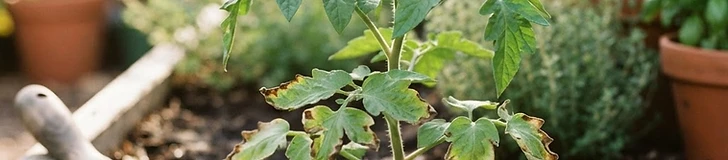
Many beginning gardeners fall into the trap of believing that if a little fertilizer is good, a lot must be better. In reality, over-fertilization is one of the most common reasons for stunted, yellowing, or dead plants in a residential landscape. When you provide more nutrients than your soil and plants can process, you risk creating a toxic environment that actually hinders growth rather than encouraging it. Understanding the balance between feeding your plants and protecting them is essential for any successful gardener operating across the diverse USDA hardiness zones. ## Understanding Nutrient Burn Nutrient burn occurs when the salt concentration in the soil becomes too high, typically caused by applying too much synthetic fertilizer at once. These fertilizers are essentially concentrated mineral salts. When the concentration of salts in the soil exceeds the concentration of salts inside the plant roots, a process called reverse osmosis occurs. Instead of the roots absorbing water, the soil environment pulls moisture out of the plant roots. This results in the characteristic brown, crispy leaf edges or tips, which look remarkably like a drought-stressed plant. If you notice your plants wilting despite having moist soil, you may be witnessing the immediate aftermath of an accidental over-application. ## The Dangers of Excess Nitrogen While nitrogen is responsible for lush green foliage, applying too much can be counterproductive. Excessive nitrogen can cause a plant to put all its energy into rapid, weak vegetative growth, leaving it vulnerable to pests like aphids, which are drawn to this tender, fast-growing tissue. Furthermore, high nitrogen levels often suppress flowering and fruit production. If your tomato plants are large, bushy, and vibrant green but have absolutely no fruit, you have likely over-fertilized with nitrogen. In the late summer or early autumn, applying nitrogen-heavy fertilizers can also force plants to push out new growth right before the first frost, making them susceptible to winter damage in cooler USDA zones. ## Reading the Environment Before You Feed Before reaching for any bag of fertilizer, you must conduct a basic soil test. Most home improvement stores sell inexpensive kits that provide a general reading of your soil pH and nutrient levels. Without a test, you are gardening in the dark. Soil pH is particularly important because it dictates nutrient availability. If your soil pH is too high or too low, the plant cannot absorb the nutrients present, even if the soil is rich. Adding fertilizer to soil that already has a healthy nutrient profile will simply lead to accumulation and potential toxicity. Always observe your plants first. Are they growing slowly? Is the foliage turning pale yellow? These are signs of potential deficiency, but even then, apply small amounts rather than a massive dose. ## Practical Tips for Safe Feeding - Always read the label. The manufacturer's recommended dose is a maximum, not a target. Start by applying only half of the recommended amount to see how your plants respond. - Water your soil thoroughly before and after applying granular fertilizers. This helps dilute the nutrients and distributes them evenly throughout the root zone. - Avoid contact with the stem. Always apply fertilizer to the soil surface around the drip line of the plant rather than piling it against the base, which can cause stem burn. - Use slow-release, organic amendments such as compost or aged manure. These break down slowly over time, providing a steady, gentle stream of nutrients that is much harder for a beginner to misapply than concentrated synthetic chemical fertilizers. - Keep a gardening journal. Note when you fertilized and what type you used. This helps you track growth patterns and prevents the accidental double-dosing that occurs when multiple household members work in the same garden. - If you suspect you have over-fertilized, leach the soil by watering deeply and slowly for several consecutive days. This process can help flush excess salts out of the root zone, potentially saving a struggling plant if caught early enough. ## Quick Takeaway Always start with a light hand; it is far easier to add more fertilizer later than it is to remove an excess that is already damaging your plants.
 Fertilizers
The Golden Rule of Gardening: How to Feed Your Plants Without Harming Them
3 min read 688 words
Discover how to nourish your home garden effectively while avoiding the common trap of nutrient burn and over-fertilization.
#fertilizer#gardening tips#soil health#beginner gardening#plant care