
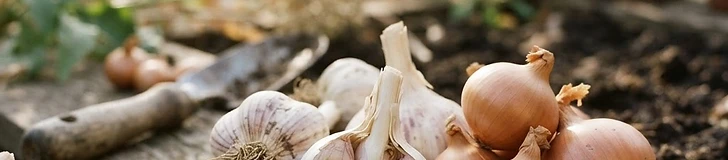
By saving your largest, healthiest bulbs now, you can improve the quality of your garden patch year after year. This process ensures your future crops are already adapted to your local soil and climate conditions.
Assessing Your Harvest Before you store your onions or cure your garlic, perform a harvest audit. Look for the 'blue ribbon' specimens that demonstrate strong, uniform growth.
- Identify the largest, firmest bulbs with tight, intact skins.
- Discard any bulbs showing signs of rot, mold, or mechanical damage from tools.
- Ensure the neck of your onions is thin and well-dried, as thick necks often indicate poor long-term storage potential.
The Selection Criteria Focus your selection on physical size and disease resistance. In the world of Allium sativum, bigger is almost always better. Larger cloves contain more stored energy, which acts as a jump-start for root development when you plant them in the fall—typically between September and November for USDA zones 3 through 8.
Always set aside your premium bulbs in a cool, dark, and well-ventilated space before you begin using the rest of your harvest to ensure they remain dormant until planting time.
Curing and Preservation Proper preparation is vital for longevity. If you do not allow your alliums to cure properly, moisture trapped in the layers will lead to decay long before the next growing season.
- Clean the bulbs gently by brushing off excess soil, but do not wash them.
- Cure onions and garlic in a shaded, airy location for 2 to 4 weeks until the outer layers become papery and the roots are brittle.
- Once cured, trim the roots to about 0.25 inches and the tops to 2 inches, leaving the protective skins intact.