
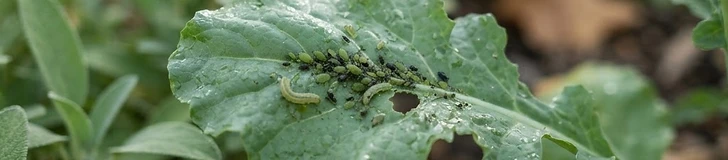
Catching pests early is the single most effective way to protect your plants without resorting to harsh chemicals. By observing your garden for just five minutes a day, you can save your harvest from ruin.
Scout the Undersides
Most garden pests like aphids and spider mites prefer the shade and safety of the underside of leaves. If you see curling, yellowing, or tiny stippling patterns on your plants, turn the leaves over. Check your kale and broccoli in USDA zones 5 through 9 for small, velvety green caterpillars known as imported cabbageworms, which can defoliate a plant in days.
Look for Sticky Residue
If your plants look shiny or appear to be dripping with a clear, sticky substance, you have likely found honeydew. This is the excrement of sucking insects like whiteflies or scale. Ants often farm these pests, so if you see a line of ants trekking up a stem, follow them. They will lead you directly to the source of the infestation.
Keep a small magnifying glass in your garden apron to inspect suspicious spots; distinguishing between beneficial predatory mites and harmful pests ensures you don't accidentally remove your garden's best allies.
Inspect the Soil Line
Don't ignore the base of your plants. Cutworms are notorious for chewing through the stems of young transplants at soil level. If a healthy plant suddenly topples over overnight, gently dig around the base in the top 1 inch of soil to find the culprit. Providing a physical barrier, such as a toilet paper tube collar around the stem, often stops them in their tracks.
Watch for Skeletonized Leaves
When leaves look like lace or have large, ragged holes, you are dealing with chewing insects. These include Japanese beetles or slugs.
- For beetles: Hand-pick them into a jar of soapy water during the cool morning hours when they are sluggish.
- For slugs: Lay a piece of damp cardboard on the ground; they will congregate underneath it by morning, making them easy to collect and remove.
Regular observation turns garden maintenance from a reactive chore into a preventative habit that keeps your plants thriving all season long.