
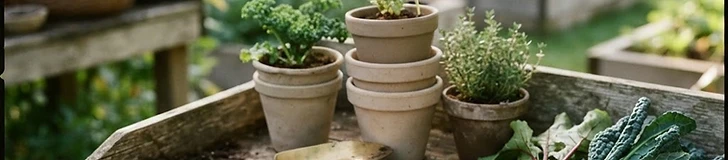
Gardening is often viewed as a warm-weather activity that peaks in July, but the true joy of growing your own food lies in extending the harvest across all four seasons. By understanding your USDA hardiness zone and the specific temperature preferences of your plants, you can transition from a one-hit wonder garden to a productive landscape that feeds you year-round. Successful planning requires looking at your garden not as a single project, but as a series of seasonal transitions.
Understanding Seasonal Cycles
To harvest year-round, you must categorize crops by their temperature needs: cool-weather lovers and heat-seekers. Cool-weather crops, such as spinach, kale, radishes, and peas, thrive when soil temperatures are between 45°F and 65°F. These plants often turn bitter or bolt, meaning they go to seed prematurely, when summer temperatures climb consistently above 80°F. Conversely, heat-seekers like tomatoes, peppers, squash, and beans require warm nights above 60°F and soil temperatures near 70°F to flourish. By rotating these groups, you ensure that as one set of plants finishes, another is ready to take its place.
Spring: The Season of Awakening
Spring is the time to jumpstart your garden by planting crops that can withstand light frost. In many parts of the country, late winter or very early spring is when you should sow hardy greens like arugula, mustard, and swiss chard directly into the ground as soon as the soil is workable—meaning it isn't frozen or waterlogged. Peas are another quintessential spring crop, providing early yields before the heat of summer arrives. If you are in zones 5 through 8, aim to get these into the ground four to six weeks before your last frost date. Starting these early prevents the plants from being shocked by sudden heat waves, allowing them to establish deep root systems early on.
Summer: Productivity and Maintenance
As the soil warms, it is time to move your focus to high-energy crops. Summer is synonymous with tomatoes, peppers, cucumbers, and zucchini. Because these plants take longer to mature than spring greens, they are the backbone of your summer harvest. When planning, give these plants plenty of room to grow; squash and tomatoes often need 3 to 4 feet of space to ensure proper airflow, which helps prevent fungal diseases. During the peak of summer, your main job shifts from planting to maintenance, such as mulching with straw or wood chips to keep the soil cool and moist, and providing consistent irrigation to prevent blossom end rot in tomatoes.
Autumn: The Second Spring
Many beginners overlook the fall season, yet it is arguably the most productive time of year for a gardener. As the daylight hours shorten and temperatures drop, the pests that plagued your summer crops begin to decline, and cool-season vegetables make a triumphant return. In mid-to-late summer, start seeds for your fall harvest, including broccoli, cauliflower, carrots, and beets. These crops love the cool nights of autumn. Root vegetables like carrots are particularly rewarding during this time because a light frost can actually trigger the plant to convert starches into sugars, making the final harvest noticeably sweeter than mid-summer produce.
Winter: Planning and Protected Harvests
Winter gardening requires a shift in strategy. In regions with mild winters, you may still be harvesting kale, leeks, and parsnips. In colder zones, winter is the time for planning and preparation. Use this time to review your garden notes, order seeds for the coming year, and consider winter-sowing techniques or using cold frames to protect early-germinating crops. A cold frame—essentially a bottomless box with a glass or plastic lid—can act as a mini-greenhouse, raising the interior temperature by 10°F to 15°F and allowing you to harvest fresh greens well into the snowy months. If you live in a very cold climate, winter is your primary season for reflecting on what varieties performed best and which ones struggled, so you can make informed decisions for the next growing cycle.
Practical Tips for Your Garden
- Keep a garden journal to track planting dates and harvest times; this is more valuable than any textbook for your specific microclimate.
- Use succession planting by sowing a small row of seeds every two weeks rather than planting the entire crop at once; this prevents a glut of vegetables all maturing on the same day.
- Invest in high-quality garden gloves and a good hand trowel; comfort makes you more likely to spend those extra fifteen minutes in the garden that lead to better plant care.
- Always check your local extension office website to find the specific last and first frost dates for your zip code, as these are the most critical numbers for your planning.
- Label your rows clearly; it is easy to forget what you planted where, especially when starting new seasonal patches.
- Don't be afraid to pull out crops that have finished their cycle; a garden should be dynamic, and removing a finished plant makes space for a new season of growth.
Quick takeaway
Master the art of the harvest by rotating cool-season crops in spring and autumn with high-yield heat-seekers during the peak of summer.